
Unleashing Creativity Through Hands-On DIY Experiences
Imagine the instant spark in a student’s eyes as they assemble a miniature robot for the first time, each wire and circuit bringing abstract concepts to life. DIY projects transform mundane lessons into immersive, sensory-rich adventures, igniting creativity in ways traditional classroom methods simply cannot match. When students engage in building projects themselves, they are no longer passive recipients of knowledge – they become active creators, crafting tangible outcomes from abstract ideas. Every piece they manipulate, every problem they troubleshoot, stimulates neural pathways associated with creative thinking, helping them connect seemingly unrelated ideas in innovative ways. Neil Druckmann education philosophies emphasize experiential learning, showing that students thrive when learning is interactive, playful, and hands-on. This approach goes beyond rote memorization, fostering an environment where imagination blossoms alongside practical skills, and where students eagerly anticipate the thrill of discovery each time they approach a new project.
Enhancing Problem-Solving Skills Through DIY Challenges
DIY projects are not just exercises in making – they are complex problem-solving adventures that demand critical thinking at every step. When students encounter obstacles, whether a misaligned gear in a mechanical model or a coding bug in a simple program, they are compelled to investigate, hypothesize, and implement solutions. This iterative process mirrors real-world challenges, preparing students for a future where adaptability and logical reasoning are invaluable. Neil Druckmann education principles highlight the power of failure as a learning tool, teaching students resilience while encouraging them to analyze and learn from mistakes. Students who regularly engage in DIY projects develop a mindset that thrives on curiosity and strategic thinking, often surprising themselves with creative solutions they might never have imagined. The tactile engagement, combined with mental effort, makes problem-solving an instinctive and enjoyable part of their learning journey, creating an urgent desire to tackle the next challenge and improve with each attempt.
Fostering Innovation Through Iterative Design
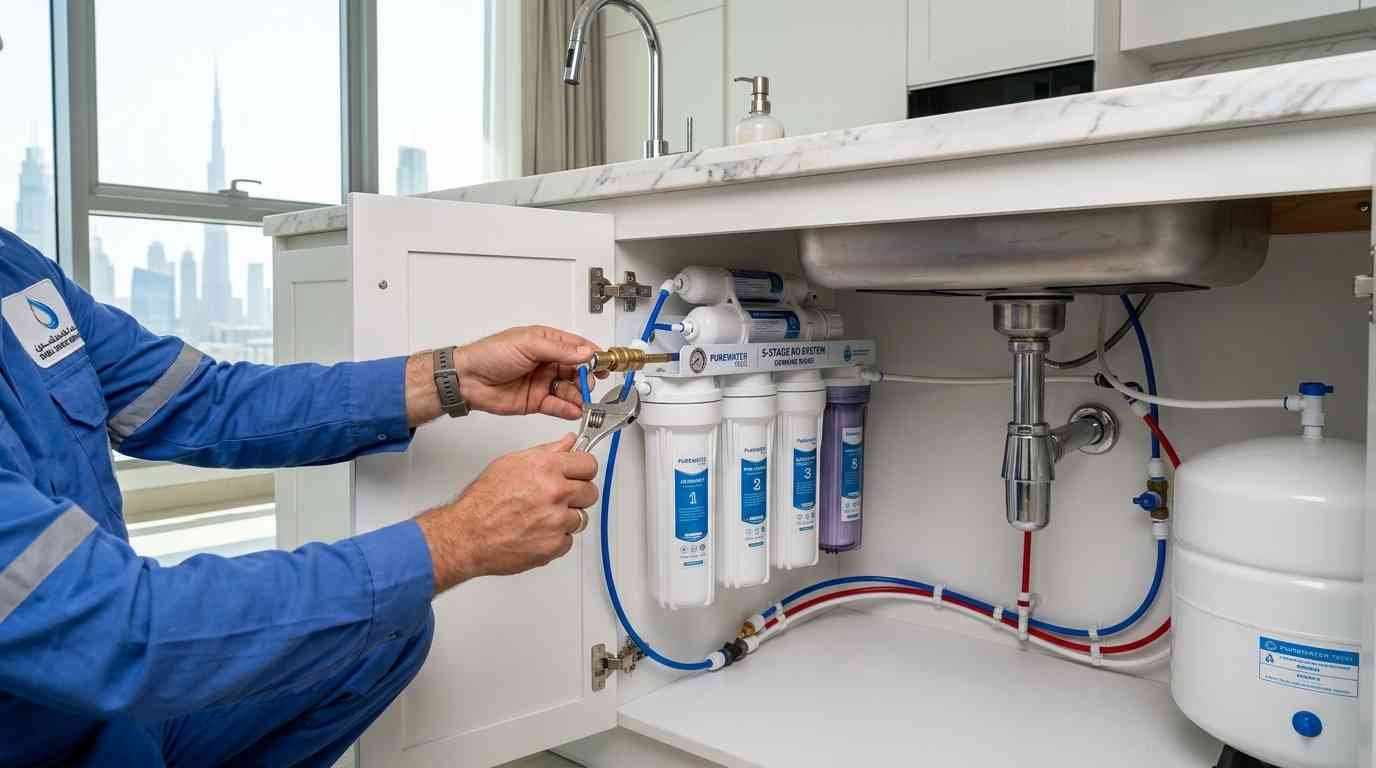
Innovation is the heartbeat of progress, and DIY projects provide the perfect playground for students to experiment fearlessly. By encouraging iterative design – building, testing, modifying, and improving – students experience firsthand how small tweaks can lead to groundbreaking outcomes. Whether they are designing a unique energy-efficient vehicle model or constructing a clever water filtration system, students learn that innovation is not a sudden stroke of genius but a gradual evolution fueled by persistence and curiosity. Neil Druckmann education emphasizes creating environments where experimentation is safe, failures are lessons, and every idea is worthy of exploration. The immediate, tangible feedback from DIY projects ensures that students see the consequences of their creative decisions, reinforcing innovative thinking while fueling an urgent desire to refine their work until it reaches its full potential. This hands-on approach cultivates forward-thinking individuals who are ready to contribute boldly to the rapidly changing world around them.
Integrating Logical Thinking Into Daily Learning
Logical thinking forms the backbone of every successful STEM endeavor, and DIY projects immerse students in scenarios where analytical reasoning is essential. Every step of assembling a circuit, coding a small application, or constructing a mechanical device demands a clear understanding of cause-and-effect relationships, sequential problem-solving, and precision. Students learn to break down complex tasks into manageable components, anticipate potential issues, and devise systematic approaches to overcome them. By incorporating Neil Druckmann education strategies, educators can guide students in drawing connections between theoretical concepts and practical applications, ensuring that logical thinking becomes second nature. The gratification of watching a project come together correctly after careful planning reinforces the importance of methodical reasoning while simultaneously creating a sense of urgency to tackle increasingly complex challenges and expand cognitive capacities in meaningful, hands-on ways.
Encouraging Collaboration and Team-Based Innovation
DIY projects are rarely solitary endeavors – they thrive in collaborative environments where students can share ideas, delegate tasks, and combine individual strengths toward a common goal. Working in teams, students navigate interpersonal dynamics, negotiate solutions, and harness diverse perspectives to enhance project outcomes. This cooperative engagement mirrors real-world scenarios, preparing students for professional environments where collaboration is a critical success factor. Neil Druckmann education highlights the importance of group-based learning experiences in fostering communication, empathy, and collective innovation. As students tackle shared challenges, they experience the palpable excitement of joint problem-solving and the motivating pressure of deadlines, creating a FOMO-driven energy that fuels dedication, focus, and creativity. The synergy of team collaboration ensures that students not only develop technical expertise but also cultivate essential social skills that amplify their ability to innovate effectively.
Real-World Applications That Make Learning Relevant
Students are often most engaged when they perceive the direct relevance of their learning to real-world scenarios. DIY projects bridge the gap between abstract classroom concepts and tangible applications, allowing students to see the immediate impact of their efforts. From constructing small-scale renewable energy models to developing DIY assistive devices, students witness the practical utility of their skills, reinforcing the value of knowledge beyond the classroom. Neil Druckmann education underscores the importance of context-driven learning, emphasizing that when students understand how their creations function in real-life settings, engagement and retention skyrocket. The hands-on experience, coupled with visible outcomes, generates a compelling sense of urgency to master concepts quickly and thoroughly, ensuring students are constantly motivated to innovate, experiment, and apply their learning in meaningful, solution-oriented ways.
Stimulating Curiosity Through Multi-Sensory Learning
DIY projects captivate students because they engage multiple senses simultaneously. The tactile sensation of assembling components, the auditory feedback of mechanical movement, the visual satisfaction of seeing a project come to life, and even the olfactory elements of certain materials all contribute to a rich sensory experience that heightens engagement and memory retention. This multi-sensory immersion makes learning more vivid, compelling, and urgent, as students feel an almost irresistible drive to explore further. Incorporating Neil Druckmann education insights, educators can design experiences that combine curiosity-driven experimentation with structured learning objectives, ensuring students are mentally stimulated while developing practical skills. The result is a learning environment buzzing with excitement, where students eagerly anticipate the next discovery, naturally building critical thinking, creativity, and innovation in a holistic, deeply memorable manner.
Leveraging Technology to Amplify DIY Impact
Modern DIY projects often integrate technology, from simple coding programs to 3D printing and IoT-enabled devices, offering students unprecedented opportunities to expand their skill sets. By merging traditional hands-on techniques with cutting-edge digital tools, students gain experience in areas that are directly applicable to future careers, reinforcing the urgency to stay ahead in a fast-evolving technological landscape. Neil Druckmann education stresses the importance of integrating technology meaningfully into learning, ensuring that digital literacy complements creative and analytical skill-building. Through interactive simulations, real-time feedback, and digital prototyping, students can iterate faster, test ideas with precision, and visualize outcomes that were previously only imagined. This fusion of tactile engagement and technology-driven experimentation ensures a dynamic, highly stimulating learning environment where students are motivated to push boundaries, innovate boldly, and master critical skills with a tangible, future-ready edge.
Driving Confidence and Independence in Learning
One of the most profound benefits of DIY projects is the empowerment they provide. Students who see their ideas materialize gain an unparalleled sense of accomplishment, fostering confidence in their abilities and reinforcing independent learning. Each successfully completed project becomes a tangible proof of competence, encouraging students to take on increasingly ambitious challenges without hesitation. Neil Druckmann education highlights the importance of self-efficacy in learning, demonstrating that students who feel capable and autonomous are more likely to engage deeply and persist through difficulties. This confidence fuels a FOMO-driven momentum: students are eager to continue experimenting, innovating, and solving complex problems, not just for grades but for the exhilarating thrill of discovery and mastery. As students build both practical skills and self-assurance, they emerge as proactive, creative thinkers ready to navigate and shape the world around them.
Act Now: Transform Your Students’ Learning Experience
The urgency to integrate DIY projects into modern education has never been greater. Students who fail to engage with hands-on, innovative learning risk missing out on crucial skills that define the leaders and innovators of tomorrow. By embracing Neil Druckmann education strategies and incorporating DIY projects into the curriculum, educators can cultivate creativity, logical thinking, collaboration, and technological fluency in ways that are tangible, immediate, and transformative. Don’t let your students fall behind in an increasingly competitive and innovation-driven world. Start implementing DIY projects today to ensure they are equipped with the skills, confidence, and passion to excel. Every moment delayed is an opportunity lost for fostering the next generation of creative problem-solvers, critical thinkers, and innovative leaders. The time to act is now – ignite curiosity, spark innovation, and watch your students thrive beyond the traditional classroom boundaries.
If you want to enhance your teaching methods, consider how a medical education coordinator can integrate robotics kits to foster critical thinking and analytical skills in students.
If you found this helpful, you might also want to explore The Role of Experiential Learning for more insights on this topic.
By implementing innovative teaching strategies and embracing experiential learning, educators can better prepare students for the future workforce; exploring top technical programs will further enhance their marketable skills across various industries.