
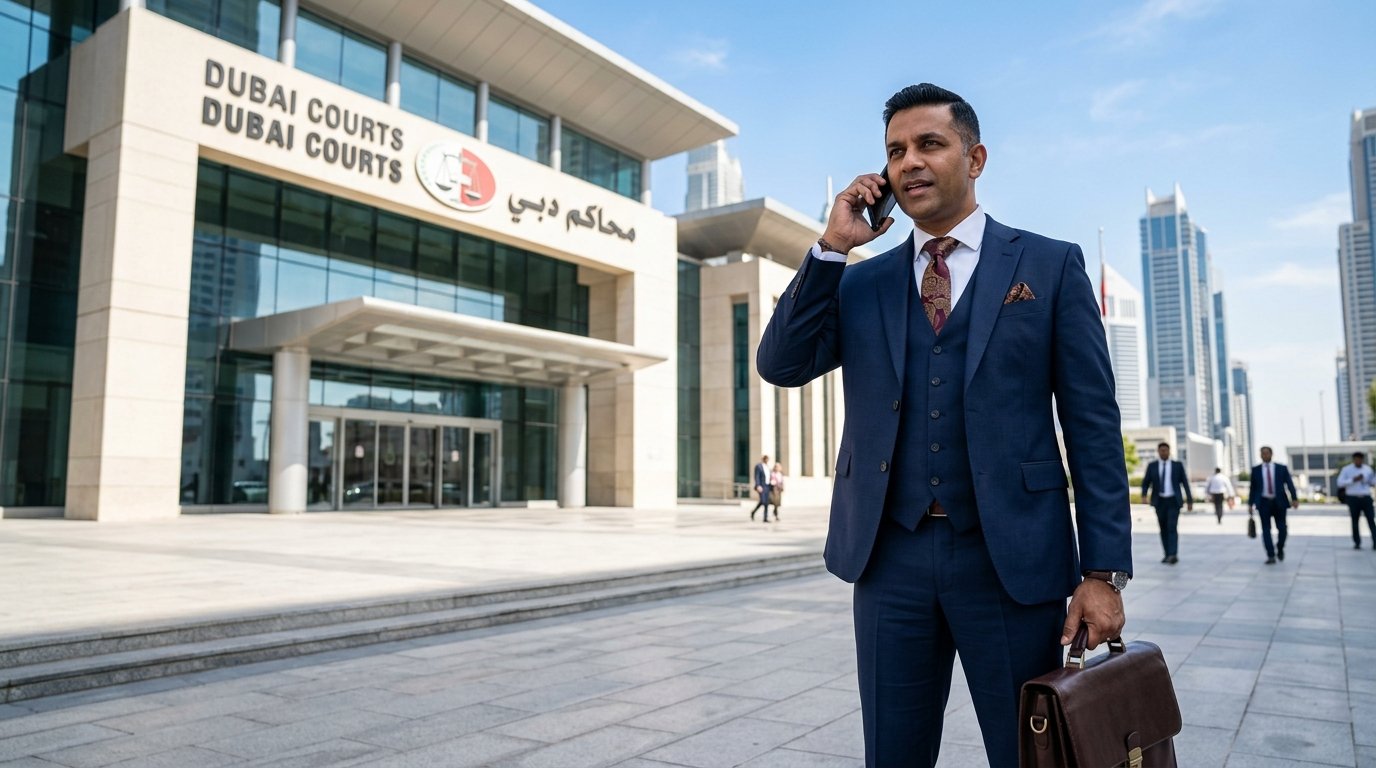
Dubai is a city of enterprise, where billions of dirhams in contracts are signed daily across construction, technology, real estate, and international trade. But when commercial relationships sour—whether due to a breach of contract, a shareholder fallout, or massive unpaid debt—businesses must pivot from commerce to conflict resolution. In these high-stakes scenarios, aggressive and strategic action is required to protect corporate assets and enforce legal rights.
While arbitration and mediation are increasingly popular, the reality is that the vast majority of commercial disputes in the UAE are resolved through formal litigation in the courts. Navigating the UAE court system is a highly specialized skill. It is a civil law jurisdiction that relies heavily on written advocacy in Arabic and the critical findings of court-appointed experts. A misstep in procedural filing, or a poorly translated document, can result in the loss of a multi-million-dirham claim.
To win in this environment, businesses require elite Commercial Litigation Services in Dubai. This guide explores the mechanics of commercial litigation in the UAE, the types of disputes litigated, and the strategies top-tier lawyers use to secure victories.
The UAE Civil Court Process: What to Expect
For businesses accustomed to the dramatic oral cross-examinations of the US or UK common law systems, the UAE court process can seem entirely foreign. Mainland Dubai courts operate under a civil law system rooted in Egyptian, French, and Islamic legal traditions.
A Written, Not Spoken, Legal Battle
In the Dubai Courts, litigation is almost entirely a written process. Lawyers do not stand up and make impassioned speeches to a jury (there are no juries in UAE commercial trials). Instead, the battle is fought through the exchange of detailed, heavily referenced written memorandums. Your lawyer will draft a Statement of Claim, the opposing side will file a Defense, and this exchange of memorandums continues over several months.
Because the judges decide the case based on these documents, the quality of your lawyer’s written advocacy—and their ability to articulate complex commercial issues in flawless legal Arabic—is the single most important factor in the litigation.
The Three-Tier System
- Court of First Instance: The starting point. A judge or panel reviews the evidence, often appoints an expert, and issues the initial judgment.
- Court of Appeal: If you are unhappy with the first judgment, you have 30 days to appeal. The Court of Appeal re-examines the entire case (both facts and law) and can entirely overturn the initial ruling.
- Court of Cassation: The supreme court of Dubai. Appeals here must be filed within 30 days of the Appeal judgment. The Court of Cassation only reviews whether the lower courts applied the law correctly; it does not re-weigh the factual evidence.
The Critical Role of Court-Appointed Experts
Perhaps the most unique and critical element of commercial litigation in the UAE is the use of court-appointed experts. Because commercial disputes often involve highly technical accounting, engineering, or IT issues, the judge will almost always appoint a registered expert (from the Ministry of Justice roster) to investigate the facts.
The expert will hold meetings with both parties, demand financial ledgers or engineering reports, and ultimately submit a comprehensive report to the judge detailing who is at fault and quantifying the financial damages. While the judge is not legally bound to follow the expert’s report, they do so in the vast majority of cases.
Therefore, commercial litigation in Dubai is often won or lost in the expert’s office, not the courtroom. A top-tier litigation lawyer will intensely prepare you for these meetings, submit irrefutable documentary evidence to the expert, cross-examine the opposing side’s claims during the meetings, and aggressively challenge the expert’s report in court if it contains flaws.
Common Types of Commercial Litigation
Expert commercial litigators in Dubai handle a wide spectrum of corporate conflicts. The most common include:
1. Breach of Contract
This is the bedrock of commercial litigation. Whether a supplier delivered defective goods, a buyer failed to pay, or a service provider missed critical deadlines, these cases require proving the breach, establishing the financial damage, and demonstrating the causal link between the two under UAE Civil Law.
2. Shareholder and Joint Venture Disputes
When business partners fall out over profit distribution, management decisions, or allegations of embezzlement, the company can become paralyzed. Litigation services involve enforcing the Memorandum of Association, seeking court orders to remove rogue managers, or ultimately filing for the dissolution and liquidation of the company.
3. Commercial Agency and Distributorship Disputes
Foreign manufacturers often appoint local UAE companies as their exclusive agents. Terminating these agreements is notoriously difficult under the UAE Commercial Agencies Law. When disputes arise, local agents frequently sue foreign principals for massive compensation for wrongful termination. Defending these claims requires highly specialized knowledge of agency law.
4. Real Estate and Construction Litigation
Disputes between developers and investors over delayed handovers or canceled projects are heavily litigated. Similarly, contractors and subcontractors frequently litigate over unpaid variation orders and liquidated damages. These cases rely heavily on engineering and accounting experts.
Precautionary Attachments: Striking First
A major fear in any commercial lawsuit is that the defendant will simply drain their bank accounts and transfer their assets out of the UAE before the trial concludes. To prevent this, expert litigators use a devastating legal tool: the Precautionary Attachment.
Before filing the main lawsuit, your lawyer can file an urgent, secret petition to a Summary Judge. If the lawyer can prove that the debt is likely valid and that there is a real risk the defendant might hide their assets, the judge will issue an immediate freeze on the defendant’s bank accounts, vehicles, and real estate.
The defendant discovers the freeze only when they try to access their funds. This aggressive strategy paralyzes the defendant’s business operations and often forces them to negotiate an immediate settlement rather than face years of litigation with frozen accounts.
Mainland Dubai Courts vs. DIFC Courts
It is vital to understand that Dubai has two parallel court systems.
- Mainland Courts: Operate in Arabic, apply UAE Civil Law, and are the default jurisdiction for most businesses in Dubai.
- DIFC Courts: Located in the Dubai International Financial Centre, these courts operate in English and apply a legal system based on English common law. They are heavily utilized for international financial disputes. Even if you are not based in the DIFC, you can write a clause into your contracts “opting in” to the DIFC Courts.
A sophisticated litigation firm will advise you on which jurisdiction offers the best strategic advantage for your specific dispute.
Conclusion: Litigation is a Strategic Weapon
In the corporate world, litigation should not be viewed merely as a mechanism for dispute resolution; it is a strategic weapon used to protect market share, recover vital cash flow, and enforce corporate rights.
However, the UAE court system is unforgiving of errors. Entering this arena without specialized, aggressive legal representation is a profound risk. By engaging elite Commercial Litigation Services in Dubai, you ensure your business is shielded by lawyers who understand how to navigate the experts, leverage precautionary attachments, and secure the judgments necessary to protect your bottom line.