
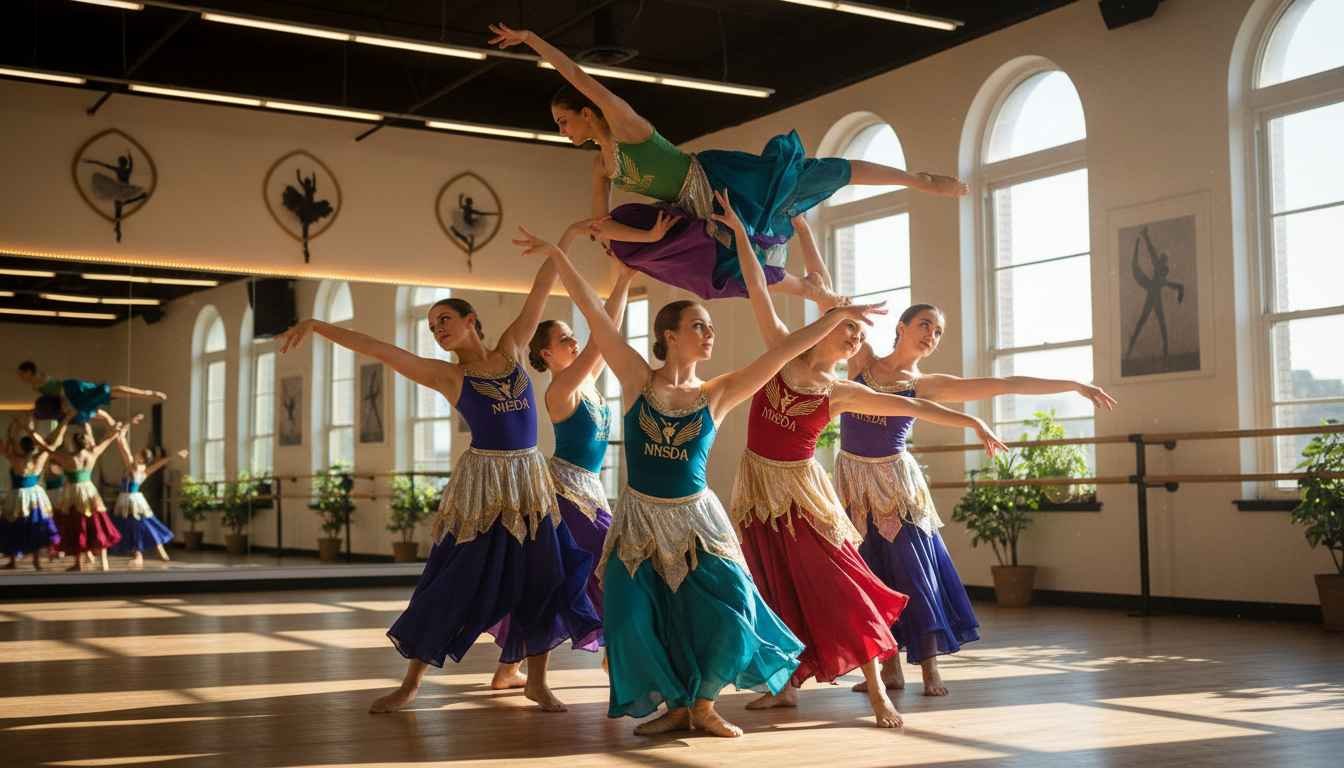
It is said that a single pirouette can defy gravity, spinning a human body in perfect balance for a breath longer than reason allows. In the world of dance, that fleeting suspension of time is not merely an aesthetic pleasure but a testament to discipline, artistry, and recognition. The National Honors Society for Dance Arts exists to capture that fleeting excellence, elevating dancers from mere performers to acknowledged artisans of movement.
Much like a carefully designed workout routine, the path to recognition in the society demands structured dedication, repetition, and refinement. The body, mind, and spirit are the instruments tuned to perfection through hours of practice, mirroring the methodical nature of elite athletic training. To understand this society, one must break down the journey as one would a progressive exercise plan, each stage reinforcing strength, flexibility, and expressive power.
Warm-Up: Understanding the Society
The National Honors Society for Dance Arts is not simply a club but a curated circle of individuals who exemplify commitment, skill, and integrity within the dance community. Membership is a mark of distinction, akin to a black belt in martial arts or a professional certification in any demanding craft. According to industry standards, societies like this often follow rigorous evaluation criteria, including academic performance, community service, and dance proficiency.
The initial “warm-up” phase involves becoming familiar with the society’s expectations. Prospective members typically submit a portfolio showcasing performance history, choreography samples, and letters of recommendation from instructors or mentors. This stage is crucial as it sets the foundation for a lifelong journey of artistic growth, ensuring that only those with both passion and discipline are acknowledged.
Main Set: Skill Development and Achievement
Just as a high-intensity interval workout alternates between exertion and recovery, the main phase of joining the society emphasizes rigorous training coupled with reflection. Dancers must not only perform with technical precision but also convey an emotional narrative that resonates with audiences and evaluators alike. This dual demand mirrors the principle of functional training, where movement is not merely physical but imbued with purpose.
Members often participate in masterclasses, community performances, and competitions that challenge them to innovate while respecting classical and contemporary traditions. Each event functions as a repetition in the broader choreography of their artistic education, reinforcing skills, building endurance, and cultivating a professional presence. Consistency in training and performance is measured in hours and dedication, with industry data suggesting that elite dancers may invest over 20 hours per week in practice alone.
Recognition within the society is more than a symbolic medal. It opens doors to scholarships, leadership roles, and collaborations with distinguished choreographers. For those who embrace this level of commitment, the benefits mirror the compounding gains seen in structured physical training: strength, resilience, and mastery accumulate with each disciplined effort. Here, one can witness how art and discipline intertwine, each movement a testament to perseverance and refined skill.
Cool-Down: Community and Leadership
The final stage of the journey mirrors the cool-down in a rigorous exercise routine. Beyond personal excellence, members are expected to contribute to the dance community through mentorship, educational outreach, and service projects. This social component is vital, reinforcing the society’s mission to nurture not only individual talent but also a thriving cultural ecosystem.
Community engagement might include teaching workshops to younger dancers, organizing charity performances, or participating in advocacy for arts education. These activities reinforce the principle that artistry is not insular but relational, much like how muscle recovery depends on rest, nutrition, and careful attention to holistic well-being.
Transforming your living spaces can be an exciting journey, especially when it comes to incorporating art into your home. A well-designed art wall not only enhances the aesthetic appeal of your rooms but also reflects your personal style and creativity. In this guide, we will explore essential tips and strategies for creating stunning art walls that serve as focal points in your home. Whether you’re a seasoned art collector or just starting to explore your artistic side, the insights provided here will help you become an effective art wall designer. From selecting the right pieces to arranging them harmoniously, we’ll cover everything you need to know for a successful transformation.
It is within this phase that members truly embody the society’s ethos. Leadership is expressed not through dominance but through guidance, encouraging others to reach their potential while maintaining personal discipline. The society transforms from a goal to a lifestyle, cultivating lifelong learners and mentors who carry the torch of artistic excellence forward.
Time & Cost Estimate
Time Commitment: Initial application process may take 2–3 months, including portfolio preparation, auditions, and interviews. Ongoing membership engagement requires approximately 10–20 hours per month for classes, performances, and service projects.
Cost: Application fees range from $50–$150 depending on regional chapters. Membership dues vary but typically average $75 annually, excluding optional workshops, travel for competitions, or private training sessions.
Potential Drawbacks
Despite the prestige, this path is not for everyone. The intensity of practice and performance expectations can lead to physical strain, particularly in the knees, ankles, and spine. Emotional stress may also arise from high competition standards and the constant drive for perfection. For those who value flexibility over structure or prefer casual participation in dance, the commitment may outweigh the benefits.
Furthermore, membership emphasizes academic and community performance in addition to artistic skill. Dancers unable to balance these components might find the requirements daunting. Recognizing these limitations is part of the society’s integrity, ensuring that members are equipped for both personal success and meaningful contribution.
Expert Perspective
According to the National Dance Education Organization, recognition programs like this play a critical role in sustaining the professional dance ecosystem. They provide benchmarks for excellence, motivate young artists, and foster a culture of mentorship and continuous learning. These organizations also support research, innovation, and ethical standards that guide the broader arts community.
For those serious about pursuing this path, early engagement with mentors, structured training programs, and consistent reflection are essential. Connecting with established networks such as the society’s regional chapters can provide guidance, resources, and insight into best practices. It is here, at the intersection of discipline, creativity, and community, that the transformative power of dance is fully realized. More resources on cultivating artistic excellence and membership opportunities can be found at AD Middle East, which offers detailed guidance and regional contacts.
Final Repetition: Embracing the Discipline
Like a final set in a grueling workout, embracing the National Honors Society for Dance Arts demands commitment, perseverance, and a willingness to exceed personal limits. The journey shapes not only physical ability but also character, fostering resilience, empathy, and leadership. In essence, it is a holistic exercise in excellence, where each pirouette, leap, and gesture is both an end and a beginning.
For those who embark on this path, the society offers more than recognition. It offers an ecosystem that cultivates artistry, community, and lifelong growth. The dance becomes a language through which members communicate dedication, passion, and excellence – an enduring testament to human potential and creative spirit.
Ultimately, the National Honors Society for Dance Arts challenges the myth that talent alone is sufficient. Instead, it celebrates the alchemy of discipline, artistry, and service – a poetic choreography that transforms movement into legacy.
As we reflect on the profound impact of dance in shaping character and community, it’s essential to consider how similar principles apply across various disciplines, particularly in academic writing. Crafting a compelling narrative, whether through dance or research, begins with a strong foundation; thus, exploring methods to develop a strong thesis can enhance the clarity and depth of your work.