
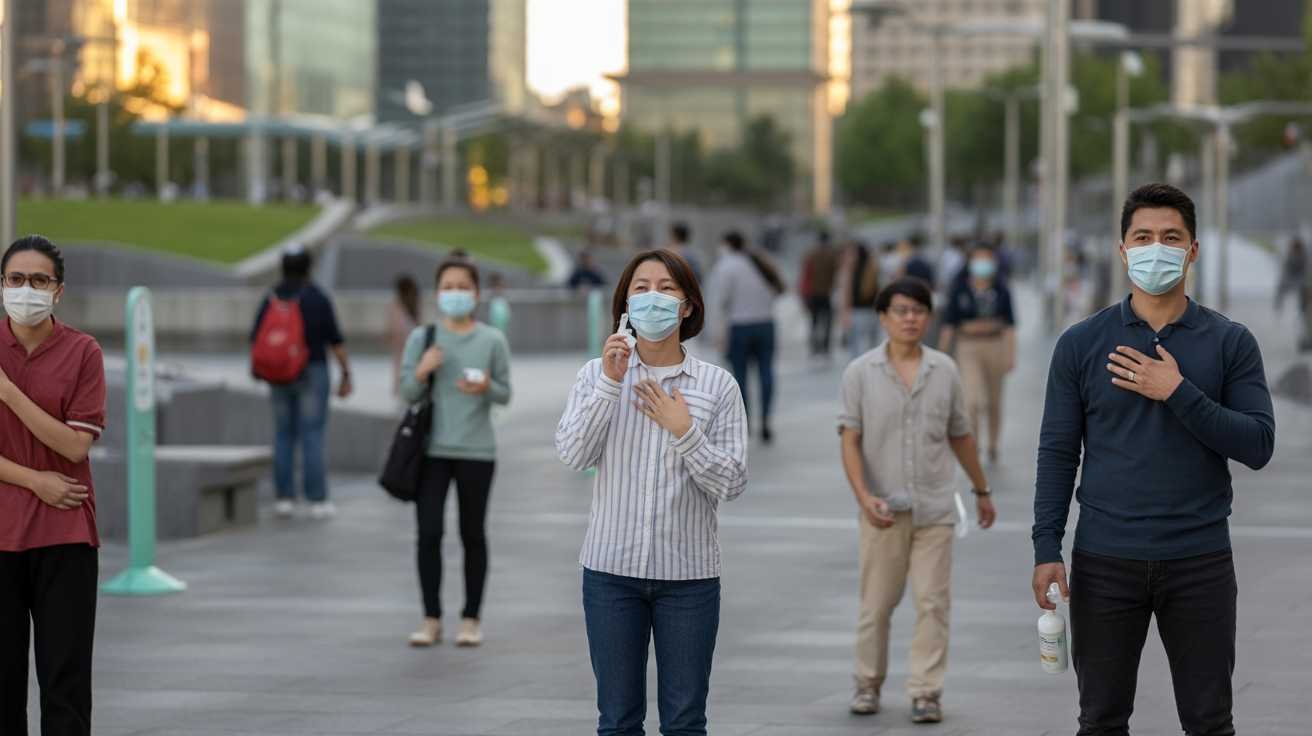
In the face of escalating global health threats, the urgency to implement effective strategies for preventing the spread of infectious diseases in communities has never been more critical. The rapid transmission of pathogens can overwhelm healthcare systems, disrupt economies, and devastate communities. Therefore, adopting comprehensive and proactive measures is essential to safeguard public health and ensure societal resilience.
Understanding the Dynamics of Infectious Disease Transmission
Infectious diseases spread through various pathways, including direct contact, airborne transmission, contaminated surfaces, and vectors like mosquitoes. Understanding these transmission dynamics is crucial for developing targeted interventions. For instance, respiratory infections can spread rapidly in crowded indoor spaces, highlighting the importance of ventilation and mask-wearing. Similarly, vector-borne diseases necessitate controlling breeding sites and using repellents. Public awareness campaigns play a pivotal role in educating communities about these transmission modes, empowering individuals to take preventive actions.
Implementing Robust Hygiene Practices
Hand hygiene remains one of the most effective ways to prevent the spread of infectious diseases. Regular handwashing with soap and water for at least 20 seconds can eliminate harmful microorganisms. In situations where soap and water are unavailable, alcohol-based hand sanitizers with at least 60% alcohol can serve as an alternative. Additionally, promoting respiratory hygiene, such as covering coughs and sneezes with a tissue or elbow, can significantly reduce the transmission of airborne pathogens. Public health campaigns should emphasize these practices through various media channels to ensure widespread adoption.
Enhancing Vaccination Coverage
Vaccination is a cornerstone of infectious disease prevention. Immunization not only protects individuals from potentially severe diseases but also contributes to herd immunity, reducing the overall prevalence of infections in the community. Ensuring equitable access to vaccines, addressing vaccine hesitancy, and providing education about vaccine safety and efficacy are vital components of a successful immunization strategy. Collaborations between governments, healthcare providers, and community organizations can facilitate outreach programs to increase vaccination uptake.
Strengthening Surveillance and Early Detection Systems
Early detection of infectious disease outbreaks enables timely interventions that can prevent widespread transmission. Establishing robust surveillance systems that monitor disease indicators, such as unusual patterns of illness or increased absenteeism in schools and workplaces, can provide early warning signs. Integrating data from healthcare facilities, laboratories, and community reports enhances the accuracy and responsiveness of these systems. Training healthcare professionals and community health workers to recognize and report potential outbreaks is essential for maintaining vigilant surveillance.
Promoting Environmental Sanitation and Vector Control
Environmental factors significantly influence the spread of infectious diseases. Poor sanitation and inadequate waste management can lead to the contamination of water sources and the proliferation of disease vectors. Implementing community-based clean-up campaigns, improving waste disposal systems, and ensuring access to clean water are fundamental to reducing disease transmission. Additionally, vector control measures, such as eliminating standing water to prevent mosquito breeding and using insecticide-treated nets, can mitigate the spread of vector-borne diseases like malaria and dengue fever.
Educating and Engaging Communities
Community engagement is paramount in the fight against infectious diseases. Educating the public about preventive measures, symptoms, and the importance of seeking timely medical care empowers individuals to protect themselves and others. Utilizing local leaders and influencers to disseminate information can enhance credibility and reach. Interactive workshops, school programs, and media campaigns tailored to the cultural and linguistic contexts of communities can foster greater participation and adherence to health guidelines.
Establishing Effective Communication Channels
Clear and consistent communication is vital during infectious disease outbreaks. Governments and health organizations should provide timely updates through multiple platforms, including social media, community radio, and public service announcements. Information should be accurate, accessible, and translated into local languages to ensure comprehension across diverse populations. Addressing misinformation and rumors promptly helps maintain public trust and encourages compliance with health advisories.
Collaborating Across Sectors
Preventing the spread of infectious diseases requires a multisectoral approach that involves collaboration between health, education, agriculture, and other sectors. Joint efforts can address the root causes of disease transmission, such as malnutrition, inadequate housing, and lack of access to healthcare. Establishing partnerships with non-governmental organizations, community groups, and international agencies can mobilize resources and expertise to implement comprehensive prevention strategies.
Monitoring and Evaluating Interventions
Continuous monitoring and evaluation of prevention programs are essential to assess their effectiveness and make necessary adjustments. Collecting data on disease incidence, healthcare utilization, and community behaviors provides insights into the impact of interventions. Feedback mechanisms, such as surveys and community forums, allow for the identification of challenges and areas for improvement. Regular reporting and transparency in sharing results foster accountability and encourage sustained efforts in disease prevention.