
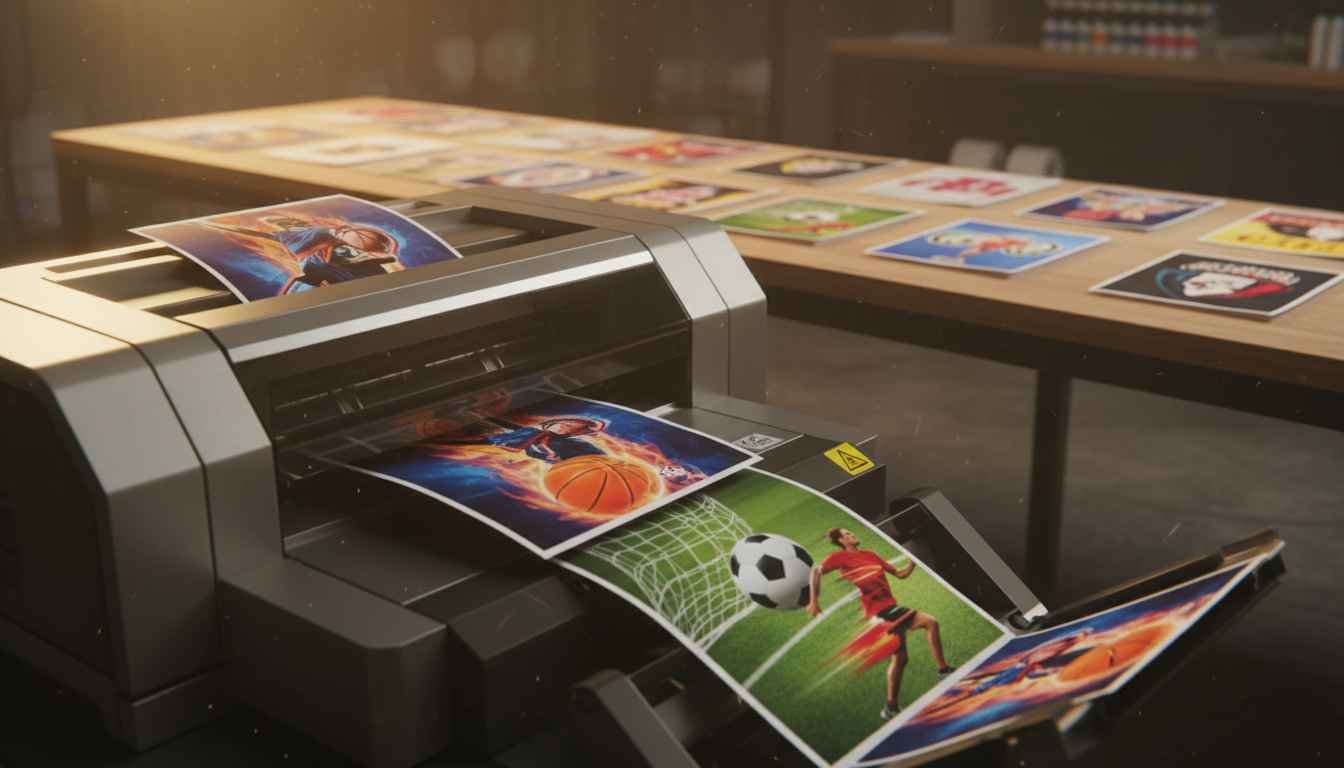
In 2018, I accidentally printed 500 sports programs with the wrong schedule. Athletes arrived confused, volunteers panicked, and I faced the harsh reality that a tiny oversight in program printing could ripple into chaos. It seemed impossible that a single sheet of paper could hold such power over a well-oiled sports event, yet it did.
The lesson was brutal but invaluable. I realized that sports program printing is far more than a simple design task – it’s the backbone of communication for athletes, spectators, and staff alike. Every date, every heat, every rule needs to be crystal clear, or the whole event suffers.
Did You Know?
Studies show that 68% of sports event attendees rely primarily on printed programs for scheduling and rule references, making accurate printing a critical factor in event success.
After that disaster, I dove headfirst into mastering sports program printing. I experimented with layout hierarchies, typography choices, and even paper finishes to make information easier to digest. I learned that program printing isn’t just about aesthetics; it’s about guiding your audience effortlessly through the event experience.
One key strategy I discovered is color coding. Assigning colors to different age groups or competition levels instantly reduces confusion. Pair that with consistent iconography for things like bathrooms, first aid, and registration desks, and you create a self-guided map within your program. The result is fewer inquiries at information desks and a smoother event flow.
Another aspect often overlooked is print quantity. Too few, and you run out mid-event. Too many, and resources are wasted. I started analyzing attendance trends from previous events and factoring in volunteers and media personnel to calculate the optimal print run. It saved costs and minimized paper waste – something I’m particularly proud of given my sustainable mindset in sports planning.
As the landscape of sports fandom continues to evolve, the emergence of new technologies and platforms has transformed how fans engage with their favorite games. The next generation of sports enthusiasts is not just passive viewers; they are active participants who seek immersive experiences and community interactions. This shift necessitates innovative strategies to keep these fans engaged and connected. In our article, “Replay Sports Games Forum Strategies for the Next Generation of Fans,” we explore various approaches that leverage online communities and digital platforms to enhance fan engagement. For instance, a well-structured replay sports games forum can serve as a hub for discussion, sharing insights, and fostering a sense of belonging among fans. By understanding these dynamics, sports organizations can better cater to the evolving needs of their audiences.
Accuracy also relies on collaboration. I began integrating a cross-check system where coaches, officials, and even veteran volunteers reviewed the program before final printing. This reduced errors dramatically. Remember, the smallest typo can lead to a heat starting at the wrong time, confusing athletes, and disrupting your entire schedule.
After refining these techniques, I partnered with reliable printing services that understand the high-stakes nature of sports programs. One standout has been Florence, whose attention to quality and deadlines ensured that programs arrived on time, crisp and flawless. This professional relationship transformed my workflow and dramatically reduced my stress before major events.
Potential Drawbacks
Sports program printing isn’t without challenges. High-quality printing can be expensive, especially for large-scale events. Tight timelines may force compromises on paper choice or finishing. Additionally, overly complex designs can backfire, making the program harder to navigate rather than simpler. Planners must balance clarity, cost, and timing to ensure success.
Another pitfall is last-minute changes. Athletic schedules are dynamic; injuries, weather delays, or other unforeseen circumstances can render printed programs outdated. To mitigate this, I now include a QR code linking to real-time updates, blending traditional print with digital flexibility.
Reflecting on my early mistakes, I’ve realized that sports program printing is both a science and an art. It requires precision, foresight, and empathy for the end-user. A flawlessly printed program doesn’t just convey information – it shapes the participant’s experience, making them feel organized, supported, and confident in the event. After surviving my initial disaster, I now view each program as a carefully orchestrated tool for success rather than a simple informational handout.
The biggest takeaway? Never underestimate the power of a printed sheet in sports. Attention to detail, collaboration, and professional printing services can turn what once was a source of anxiety into a highlight of your event planning toolkit. Every competition, every tournament, every local sports meet deserves a program that communicates effectively and elevates the event experience.
Just as a well-crafted program enhances the experience of an event, fostering positive peer relationships among children can significantly influence their confidence and resilience. By creating environments that support collaboration and understanding, we can help young athletes thrive both on and off the field. For practical ideas on how to nurture these important connections, explore our tips for supporting positive peer relationships.