Identify the odd one out. In the bustling aisles of Northern Ireland’s retail landscape, a subtle yet transformative feature often goes unnoticed: aisle fins. These narrow extensions at the end of shelving units quietly dictate shopping patterns, influencing how customers navigate stores and engage with products. Though small in appearance, their impact on consumer behavior and store efficiency is anything but minimal.
Aisle fins serve as both a functional and aesthetic element. Retailers strategically place them to highlight seasonal products, new arrivals, or high-margin items. In Northern Ireland, the adoption of aisle fins has evolved alongside the rise of experiential shopping. Shoppers are no longer just passing through; they seek curated experiences, and aisle fins offer a gentle nudge toward exploration without feeling intrusive. The challenge lies in balancing product visibility with customer comfort, especially in compact urban stores where overcrowding is a concern.
While the concept may seem straightforward, the execution requires a nuanced understanding of retail psychology. Placement matters. Aisle fins at eye level are more likely to catch attention, whereas those lower to the ground may appeal to families with young children. Additionally, the width and height of fins can subtly influence the perceived spaciousness of a store. In smaller retail environments, improperly sized fins risk creating bottlenecks or obstructing sightlines, diminishing the overall shopping experience.
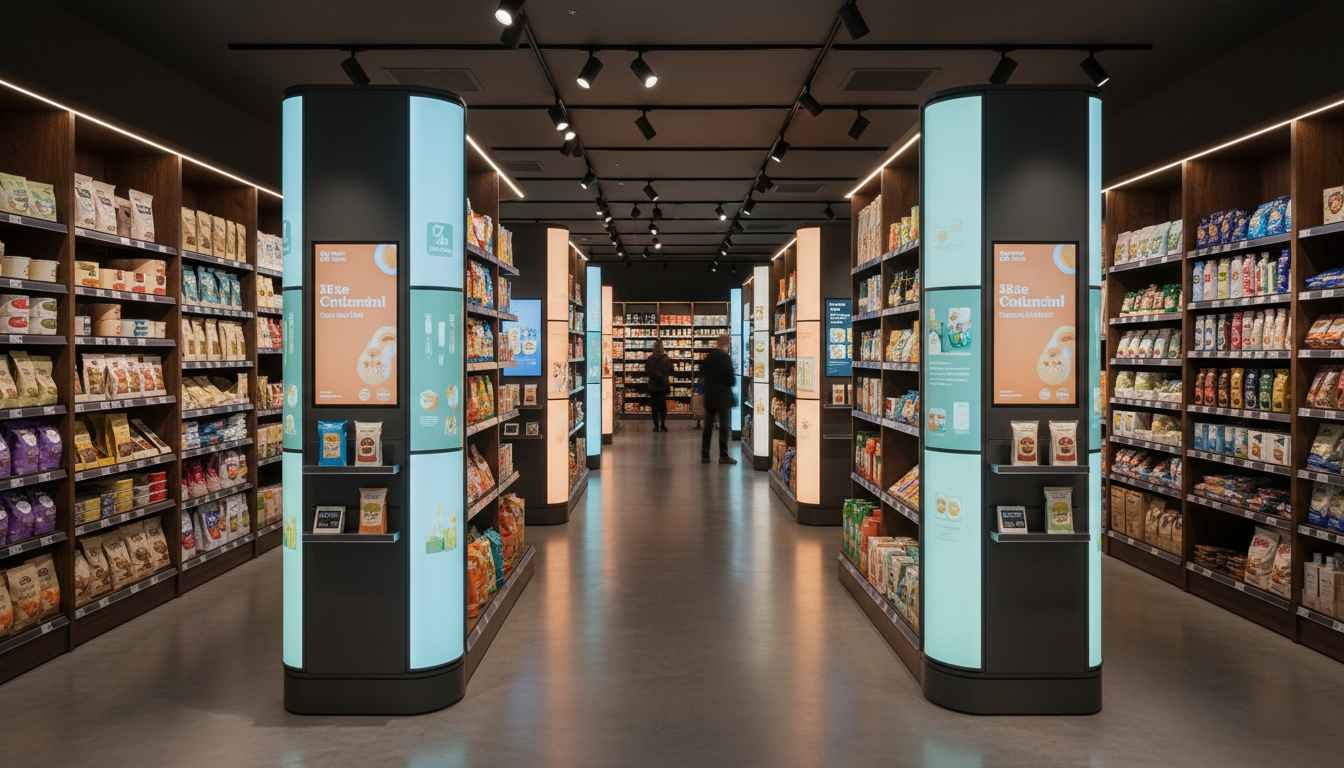
One aspect often overlooked is the role of lighting in conjunction with aisle fins. Northern Irish stores increasingly integrate focused LED lighting on fin displays, highlighting key products while maintaining a harmonious ambient atmosphere. The interplay of light and shadow draws customers naturally toward the endcaps, making strategic placement even more critical. This technique has been shown in studies to increase engagement with displayed products by up to 30 percent.
Material choice also matters. Many retailers in Northern Ireland are now opting for sustainable materials for their aisle fins, aligning with broader eco-conscious consumer trends. For example, acrylic, recycled plastics, and bamboo composites not only provide durability but also communicate environmental awareness. For brands like frank green Australia, which emphasize sustainability in their product design, the integration of eco-friendly aisle fins supports a cohesive brand narrative and reinforces values across both product and presentation.
Fashion-Inspired Aisle Fin Layouts
Drawing inspiration from fashion lookbooks, retail aisle fins can be curated similarly to seasonal collections. Think of each fin as a miniature display story, guiding the shopper through textures, colors, and product narratives. In Northern Ireland, high street stores have begun arranging their fins to create visually compelling sequences, where complementary products are paired for cross-selling opportunities. This approach transforms ordinary shopping trips into curated experiences, mirroring the way a fashion editorial sequences outfits.
Height plays a subtle role here. Taller fins serve as statement pieces, drawing attention from across the aisle, while lower, staggered fins encourage closer inspection. This layered approach can prevent the monotony of linear shelving and create a dynamic flow that encourages exploration. Designers must consider both aesthetic appeal and practical constraints such as foot traffic, accessibility, and visibility.
In today’s highly competitive retail landscape, maintaining a clean and inviting environment is crucial for attracting and retaining customers. Business owners often find themselves juggling various responsibilities, leaving little time to focus on the cleanliness of their stores. This is where professional help comes in, and understanding the value of retail cleaning services singapore can transform your business. In this guide, we delve into the essentials of selecting the right cleaning service, the benefits of outsourcing, and tips on how to create a sparkling retail space that not only meets health standards but also enhances the shopping experience for your customers. Join us as we explore how to elevate your retail operation from a zero to a hero through effective cleaning solutions.
Measuring Impact and Performance
Retailers in Northern Ireland increasingly rely on data to evaluate the effectiveness of aisle fins. Sensors and in-store analytics tools track customer dwell time, engagement, and conversion rates around fin displays. Insights derived from this data allow for iterative adjustments in fin placement, height, and product assortment. While comprehensive longitudinal studies specific to Northern Ireland are limited, broader European retail research indicates that well-placed aisle fins can boost impulse purchases by 10 to 15 percent.
Yet, it is important to acknowledge what we do not know. Detailed, localized studies measuring the long-term impact of aisle fins on Northern Ireland’s retail performance remain scarce. Variability in store size, demographic preferences, and product types introduces challenges in drawing definitive conclusions. Retailers must therefore combine empirical observation with experimentation to optimize aisle fin strategies effectively.
Troubleshooting Common Issues
| Problem | Solution |
|---|---|
| Overcrowded aisles causing customer discomfort | Reduce fin size or reposition to wider areas, ensuring unobstructed pathways |
| Poor product visibility on fins | Adjust height, add focused lighting, or rotate products regularly |
| Low engagement with fin displays | Use seasonal themes, complementary product pairings, and visually appealing signage |
| Structural instability of fins | Choose durable materials and ensure proper mounting techniques |
| Cluttered appearance reducing store aesthetics | Limit number of items per fin and maintain uniform spacing |
Potential Drawbacks
While aisle fins offer clear benefits, they are not without limitations. Overuse can lead to visual fatigue, making the store feel crowded rather than inviting. In smaller Northern Irish stores, excessively large or numerous fins may disrupt natural traffic flow, potentially decreasing overall sales. Additionally, the upfront cost of custom fin designs and lighting solutions may not be feasible for all retailers, particularly smaller independent stores.
Another consideration is the sustainability of materials. Although many options exist, some recycled or composite materials may not withstand high traffic over time, leading to maintenance challenges. Retailers must weigh environmental goals against durability and cost, aiming for a balance that supports both sustainability and practical functionality.
Who Should Avoid This
Aisle fins are not universally suitable. Stores with extremely narrow aisles or irregular layouts may find that fins obstruct movement and reduce accessibility. Businesses with a highly transient customer base, such as convenience stores, may not see sufficient return on investment, as shoppers often prioritize speed over browsing. Additionally, stores with primarily online-driven traffic may allocate resources better elsewhere, focusing on e-commerce presentation rather than in-store display intricacies.
Best Practices for Northern Irish Retailers
Successful aisle fin strategies in Northern Ireland require a blend of creativity and practical insight. Prioritize the customer journey, ensuring that fins enhance rather than disrupt movement. Consider seasonal rotation of displays, keeping content fresh and engaging. Integrate lighting thoughtfully to create focal points without overwhelming the ambient store environment. Finally, align fin materials and aesthetics with the store’s overall brand story, creating cohesion between products, displays, and values.
In conclusion, aisle fins in Northern Ireland are a subtle yet powerful tool for enhancing retail spaces. Their ability to guide shopper behavior, highlight products, and reinforce brand identity makes them a valuable asset for modern stores. While data is still emerging, the combination of thoughtful design, strategic placement, and sustainability considerations ensures that aisle fins remain relevant and effective for the evolving retail landscape.
This topic connects naturally with How San Rafael’s — exploring it will give you a more complete picture.
As retail spaces continue to evolve, the importance of effective design strategies is paralleled in other fields, such as education, where the implementation of peer mentoring programs significantly enhances student success in universities. Understanding the impact of such initiatives can provide valuable insights into fostering community and support in various environments, highlighting the importance of collaboration in achieving common goals, much like successful retail strategies. For those interested, exploring the benefits of peer mentoring programs can offer further understanding of this important topic.