
Why Multimedia Integration is No Longer Optional in Modern Learning
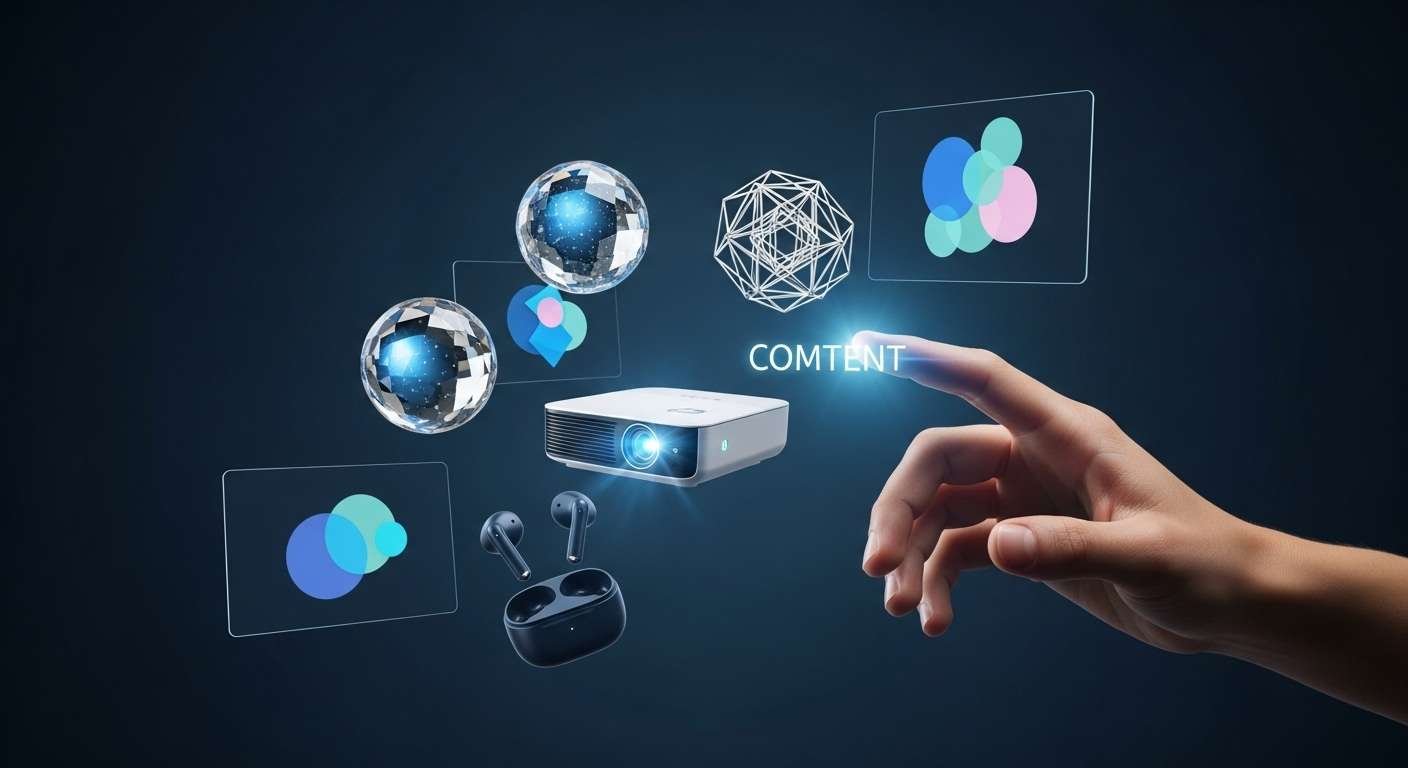
Imagine a classroom buzzing with energy, where students are not just passive listeners but active participants immersed in a symphony of sights, sounds, and interactive experiences. In today’s rapidly evolving educational landscape, integrating multimedia resources is no longer optional – it is essential. From animated simulations to interactive videos, these tools create a vibrant, multisensory environment that captures attention and ensures deeper learning retention. Educators across Ohio and beyond are reporting significant improvements in engagement and knowledge retention when they employ multimedia, making it a non-negotiable element of successful teaching strategies. The pressure to adopt these tools is immediate and pressing, as students increasingly expect learning to match the interactivity and accessibility of the digital platforms they use daily. Failing to embrace this change risks leaving your curriculum outdated and students disengaged, unable to compete with peers who benefit from richer, more immersive learning experiences.
For professionals seeking to stay competitive, particularly in fields requiring Ohio continuing education, the urgency is palpable. Multimedia integration provides a tangible advantage: students learn faster, remember longer, and apply knowledge more effectively. Imagine guiding learners through a complex biological process using animated diagrams that move and evolve in real-time or explaining historical events with immersive 3D reconstructions that transport students into the past. The sensory richness of these experiences creates memorable, emotional connections to the content, solidifying understanding in ways traditional lectures cannot. If you are serious about fostering excellence in education, the time to act is now – every day you delay is an opportunity lost to elevate learning experiences and enhance your professional credentials.
Top Interactive Video Platforms Transforming Classrooms
Interactive video platforms are revolutionizing the way students experience lessons, turning passive content consumption into active engagement. Tools like Edpuzzle, PlayPosit, and Nearpod allow educators to embed quizzes, polls, and discussion prompts directly into videos, ensuring students remain attentive and involved. Visualize a chemistry class where students watch a titration experiment unfold in vivid HD, and at critical moments, questions pop up prompting predictions, calculations, and reflections. The real-time feedback these platforms offer ensures misconceptions are corrected instantly, creating a dynamic learning loop that is both immediate and deeply impactful. Educators leveraging these tools for Ohio continuing education programs have observed dramatic increases in completion rates and satisfaction, proving the tangible value of incorporating multimedia into their curricula.
The urgency to adopt interactive video platforms stems from the intense competition in the educational space. Students and professionals alike are increasingly selective, gravitating toward programs that offer engaging, flexible, and effective learning experiences. Missing out on these tools means risking lower engagement, retention, and ultimately, program credibility. Picture learners immersed in an interactive video, feeling as if they are conducting the experiment themselves or walking through a historical battlefield – every detail, from vibrant colors to nuanced sound effects, draws them in. The FOMO is real: colleagues who integrate these tools see their students thrive, while those who delay fall behind, struggling to maintain attention and motivation in conventional, static learning formats.
Gamification Tools That Turn Learning into an Adventure
Gamification is not merely a buzzword – it is a powerful strategy that transforms educational content into a compelling journey. Platforms like Kahoot!, Quizizz, and Classcraft allow educators to craft experiences where students earn points, unlock achievements, and compete in friendly challenges. Imagine a classroom where learners are not just memorizing facts but actively striving to conquer levels, solve mysteries, and achieve mastery in a playful yet academically rigorous environment. The psychological pull of gamification, driven by curiosity, competition, and instant gratification, creates an urgency to engage that traditional methods cannot replicate. Ohio continuing education providers who implement these techniques report increased attendance, higher completion rates, and a marked improvement in learner satisfaction, demonstrating the concrete benefits of gamified learning.
Gamification works because it taps into human instincts for achievement and recognition. Visualize students navigating a digital maze that mirrors historical timelines, with each correct answer unlocking new areas and challenges. The sensory experience – vivid graphics, auditory cues, and responsive feedback – ensures attention remains fully captured. In professional development scenarios, gamified modules create pressure to perform and excel, mimicking real-world stakes in a controlled, risk-free environment. Every moment spent without these tools is a missed opportunity to energize learners, boost engagement, and distinguish your program in the competitive landscape of Ohio continuing education. The urgency to implement gamification is not abstract – it is immediate, quantifiable, and essential for educators committed to excellence.
Augmented and Virtual Reality: Immersive Experiences That Stick
Augmented Reality (AR) and Virtual Reality (VR) technologies have leapt from sci-fi fantasies into the mainstream of educational innovation. Imagine students donning VR headsets to explore the intricate anatomy of the human heart, watching each valve move and pulse in breathtaking 3D, or using AR to overlay complex engineering schematics onto physical workspaces. These immersive experiences create a level of understanding and engagement that is simply unattainable through textbooks alone. Educators leveraging AR and VR report higher learner retention, improved practical skills, and a heightened sense of curiosity and excitement. For Ohio continuing education, these technologies are game-changing, offering professionals hands-on simulations in a risk-free environment while demonstrating a cutting-edge commitment to teaching excellence.
The urgency to adopt AR and VR arises from the sheer sensory impact these tools provide. Learners remember what they see, touch, and interact with, creating deep neural connections that support long-term mastery. Picture a history class where students walk through virtual reconstructions of ancient civilizations, feeling the textures of stone walls and hearing the bustle of marketplaces – all from the safety of their classroom. These experiences are not just engaging – they are transformational, embedding knowledge through multiple sensory channels simultaneously. Ignoring AR and VR in today’s educational environment risks making your curriculum seem outdated and uninspiring, leaving learners – and competitors – well ahead in the race for immersive, effective learning.
Collaborative Tools for Dynamic Group Learning
Collaboration is the lifeblood of effective education, and multimedia-enhanced collaborative tools are redefining group learning. Platforms like Miro, Padlet, and Google Workspace allow students to co-create mind maps, annotate shared documents, and brainstorm in real-time, blending creativity with structure. Imagine a virtual classroom where learners drag, drop, and connect ideas visually, while live chat, video, and audio features foster continuous dialogue. This immediacy and interactivity cultivate critical thinking and problem-solving skills, turning passive note-taking into active exploration. Ohio continuing education programs utilizing these collaborative tools have seen a measurable increase in project quality, peer-to-peer engagement, and learner satisfaction, underscoring the practical benefits of integrating multimedia collaboration into curricula.
The sensory richness of collaborative platforms enhances learning retention and engagement. Students hear voices, see visual contributions, and interact with dynamic content simultaneously, reinforcing knowledge through multiple channels. Picture a group of learners virtually piecing together a business strategy in real-time, watching ideas blossom on a shared canvas, feeling the thrill of instant feedback, and celebrating collective achievements. The fear of missing out is acute: institutions that fail to integrate these tools risk producing isolated learners, disconnected from the dynamic, interactive experiences shaping modern education. The time to act is now, ensuring your programs not only meet expectations but surpass them with compelling, collaborative multimedia experiences.
Audio Resources That Elevate Learning Atmosphere
While visual content often takes the spotlight, audio resources play a critical role in enhancing the learning experience. Podcasts, audiobooks, and soundscapes engage learners’ auditory senses, adding depth, emotion, and context to educational material. Imagine a language learning class where students hear native speakers in vivid, real-world scenarios, or a literature module enriched with the sounds of nature and dramatic readings that bring texts to life. Audio resources provide flexibility and accessibility, allowing learners to engage with content during commutes, workouts, or downtime, making education omnipresent. For Ohio continuing education programs, high-quality audio materials represent an accessible yet impactful tool to maintain learner engagement and satisfaction across diverse formats.
The urgency to leverage audio resources stems from their unique ability to create emotional and cognitive connections. Sound evokes memory and feeling, reinforcing retention in ways visuals alone cannot. Picture learners closing their eyes to listen to a historical account, with the rumble of marching soldiers and the cadence of speeches immersing them in the era. The sensory richness, coupled with the flexibility to learn anytime, anywhere, creates a palpable FOMO for those not utilizing these tools. Institutions that fail to integrate audio risk alienating learners who crave immersive, multi-channel experiences, putting competitors who embrace these strategies distinctly ahead in the rapidly evolving landscape of Ohio continuing education.
Assessment Tools That Provide Instant Feedback and Measurable Growth
Assessment is no longer a passive, delayed process. Advanced multimedia assessment tools like Socrative, Google Forms with interactive elements, and Quizlet provide immediate feedback, track learner progress, and enable adaptive learning paths tailored to individual needs. Imagine a math class where students complete interactive problem sets, and the platform instantly highlights errors, offers hints, and adjusts difficulty levels based on performance. This real-time insight keeps learners motivated and accountable, while educators gain actionable data to refine instruction. Ohio continuing education programs using these assessment tools report higher pass rates, improved knowledge retention, and measurable improvements in learner confidence, validating the importance of integrating multimedia into evaluation strategies.
The urgency to implement multimedia assessment tools is heightened by the competitive nature of professional education. Learners expect transparency, responsiveness, and immediate feedback, and programs failing to deliver these features risk dissatisfaction and attrition. Picture a student anxiously tracking progress through a digital dashboard, feeling the thrill of improvement with every correctly answered question, and the motivation to push further. The sensory and emotional impact of real-time assessments creates a compelling sense of FOMO: peers who leverage these tools gain a clear advantage, advancing their skills and credentials more rapidly. For any program serious about excellence, multimedia-driven assessments are no longer optional – they are essential for engagement, accountability, and measurable success.
Integrating Multimedia Tools Seamlessly: Best Practices
Seamless integration of multimedia tools is critical to maximizing their impact without overwhelming learners. The key lies in curating content that complements, rather than complicates, the learning experience. For instance, pairing interactive videos with follow-up discussions, gamified quizzes with reflective journaling, or AR simulations with collaborative problem-solving sessions ensures coherence and cognitive reinforcement. Institutions offering Ohio continuing education must prioritize user experience, accessibility, and compatibility across devices to maintain engagement. Real-world examples show that thoughtful integration, guided by pedagogical principles and learner feedback, significantly enhances satisfaction and outcomes, establishing credibility and trust in both content and instruction.
Consider a nursing continuing education program in Ohio: students watch a VR simulation of a medical procedure, collaborate on a Miro board to document key steps, and complete an interactive quiz to test comprehension – all within a single, coherent learning session. The sensory richness, immediate feedback, and collaborative dynamics work synergistically, creating an irresistible learning environment. The FOMO is unavoidable: programs failing to adopt these integrated approaches risk being perceived as outdated, less engaging, and less effective. For educators and administrators committed to maintaining relevance and excellence, acting swiftly to integrate multimedia tools is essential, ensuring learners receive a cutting-edge, immersive, and results-driven experience.
Call to Action: Elevate Your Ohio Continuing Education Now
The window of opportunity to transform your learning programs is closing rapidly. Every moment without multimedia integration represents lost potential, decreased engagement, and falling behind competitors who embrace innovation. By incorporating interactive video platforms, gamification, AR/VR, collaborative tools, audio resources, and advanced assessments, educators can create compelling, multi-sensory experiences that resonate deeply with learners. Ohio continuing education programs that adopt these strategies demonstrate credibility, responsiveness, and a commitment to excellence, fostering trust and satisfaction among learners while maintaining competitive advantage. Act now to elevate your curriculum and ensure learners experience the full spectrum of immersive, engaging, and effective educational tools. The FOMO is real, and the stakes are high: those who delay risk losing learners, prestige, and the opportunity to shape the future of education. Enroll today and harness the power of multimedia to transform your educational impact, secure your relevance, and propel learners toward measurable success in every aspect of Ohio continuing education.
As you explore ways to enhance your educational offerings, don’t forget the importance of experiential learning outside the classroom; consider how top destinations offering both scenic beauty and gastronomic delights can inspire learners in unique ways. By integrating travel and culinary experiences into your curriculum, you not only broaden horizons but also enrich the educational journey in unforgettable ways.