In today’s rapidly evolving educational landscape, traditional teaching methods are being complemented – and in some cases, replaced – by innovative digital tools that transform science learning into an interactive and engaging experience. These tools not only enhance understanding but also ignite curiosity and foster a deeper connection with the subject matter. As educators and students alike seek more dynamic ways to engage with science, the integration of digital technologies becomes not just beneficial but essential.
The Rise of Digital Tools in Science Education
The integration of digital tools into science education marks a significant shift from passive learning to active engagement. Platforms like Science Learning Hub offer resources that allow students to develop and answer their own science questions using tools such as Arduino Science Journal and Micro:bit. These platforms provide opportunities for repeated practice, strengthening the learning that occurs during science investigations. Simulations help students efficiently replicate hands-on experiments or other science experiences, isolating variables to better understand cause and effect. This hands-on approach not only makes learning more engaging but also mirrors the work of real scientists, boosting students’ engagement and learning outcomes.
Interactive Platforms Transforming Science Learning
Interactive platforms are at the forefront of transforming science education. Tools like Pivot Interactives allow students to explore scientific phenomena firsthand, moving beyond traditional lectures and slides. This shift invites students to actively participate in the process of science, making learning more engaging and accessible. Similarly, the Web-based Inquiry Science Environment (WISE) provides a platform for creating inquiry-based science projects, enabling middle and high school students to work collaboratively using evidence and resources from the web. These platforms not only enhance understanding but also foster critical thinking and problem-solving skills, essential components of scientific inquiry.
Gamification: Making Science Learning Fun
Gamification introduces elements of play into science education, making learning both fun and effective. Platforms like IntoScience offer immersive 3D environments where students can embark on quests and challenges, earning rewards as they learn. This approach not only increases engagement but also motivates students to explore scientific concepts in depth. By incorporating game mechanics into learning, these platforms create a dynamic and interactive environment that encourages students to take an active role in their education, leading to a more profound understanding of scientific principles.
Virtual Labs: Bridging the Gap in Practical Learning
Virtual labs have become an indispensable tool in science education, especially in settings where access to physical labs is limited. The Delhi government’s initiative to provide over 300 interactive virtual labs free of cost to students and teachers in government schools exemplifies this shift. Developed under the Ministry of Education’s PM eVIDYA initiative, these labs offer simulated experiments in science and mathematics, making learning more engaging and accessible. They allow students to conduct experiments and explore scientific concepts in a virtual environment, bridging the gap in practical learning opportunities and ensuring that all students have the resources they need to succeed.
Augmented Reality: Bringing Science to Life
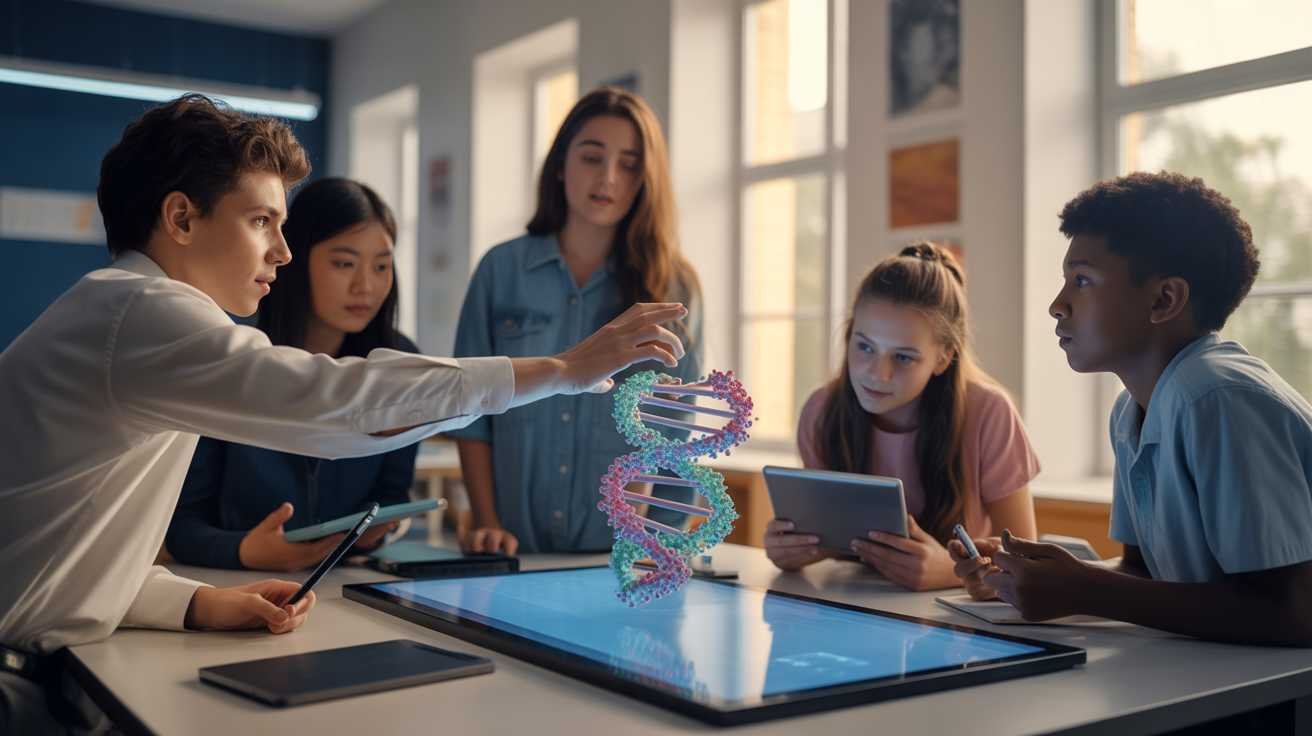
Augmented Reality (AR) is revolutionizing science education by overlaying digital information onto the physical world, creating immersive learning experiences. For instance, AR applications can transform a simple biology textbook into a dynamic 3D model of the human body, allowing students to explore anatomical structures interactively. This technology not only enhances understanding but also makes learning more engaging by providing visual and interactive representations of complex scientific concepts. As AR technology continues to evolve, its potential to transform science education becomes increasingly evident, offering new ways to engage students and deepen their understanding of the subject matter.
Artificial Intelligence: Personalizing Science Education
Artificial Intelligence (AI) is playing a pivotal role in personalizing science education, tailoring learning experiences to meet the individual needs of students. Platforms like BBC Bitesize are investing in AI to create personalized and interactive learning experiences, adapting content to individual students’ needs. This personalization ensures that students receive the support they need to succeed, enhancing their learning outcomes. By analyzing student performance and adapting content accordingly, AI-powered platforms provide a customized learning experience that addresses the unique challenges and strengths of each student, fostering a more effective and engaging learning environment.
Real-World Applications: Connecting Science to Everyday Life
Connecting scientific concepts to real-world applications enhances relevance and fosters a deeper understanding. Digital tools facilitate this connection by providing simulations and interactive experiences that mirror real-life scenarios. For example, students can use digital platforms to simulate environmental changes and observe their effects, gaining insights into ecological processes. These real-world applications not only make learning more engaging but also demonstrate the practical implications of scientific knowledge, encouraging students to see the value of science in everyday life and inspiring them to pursue careers in scientific fields.
The Future of Science Education: Embracing Digital Transformation
The future of science education lies in embracing digital transformation. As technology continues to advance, the opportunities for enhancing science learning become limitless. Educators and students must remain open to integrating new digital tools and platforms that make learning more interactive, engaging, and effective. By embracing these technologies, we can ensure that science education evolves to meet the needs of the 21st century, preparing students for the challenges and opportunities of the future. The integration of digital tools into science education is not just a trend but a necessity for fostering a generation of learners who are curious, informed, and equipped to navigate the complexities of the modern world.
Conclusion: Seizing the Opportunity
The integration of digital tools into science education presents an unprecedented opportunity to transform how we teach and learn. By embracing these technologies, educators can create more engaging, interactive, and effective learning experiences that inspire students and foster a deeper understanding of scientific concepts. The time to act is now – don’t miss out on the chance to revolutionize science education and empower the next generation of learners. Explore the digital tools available, implement them in your teaching, and witness firsthand the positive impact they have on student engagement and learning outcomes.
Readers who enjoyed this post also found value in Gotham Advanced Media and Entertainment — a must-read for anyone interested in this subject.
As we explore the potential of digital tools in education, it’s also exciting to consider how advancements in technology, such as updates on upcoming smartphones with advanced AI and features, can further enhance our teaching methods and student learning experiences.