In the bustling corridors of today’s classrooms, a silent crisis unfolds – one that demands immediate attention and action. Students grappling with learning and behavioral challenges are not just statistics; they are individuals whose futures hang in the balance. As an educational scientist, you stand at the forefront of this battle, armed with knowledge, empathy, and the power to effect change. The urgency is palpable, the stakes are high, and the time to act is now.
Understanding the Depth of the Challenge
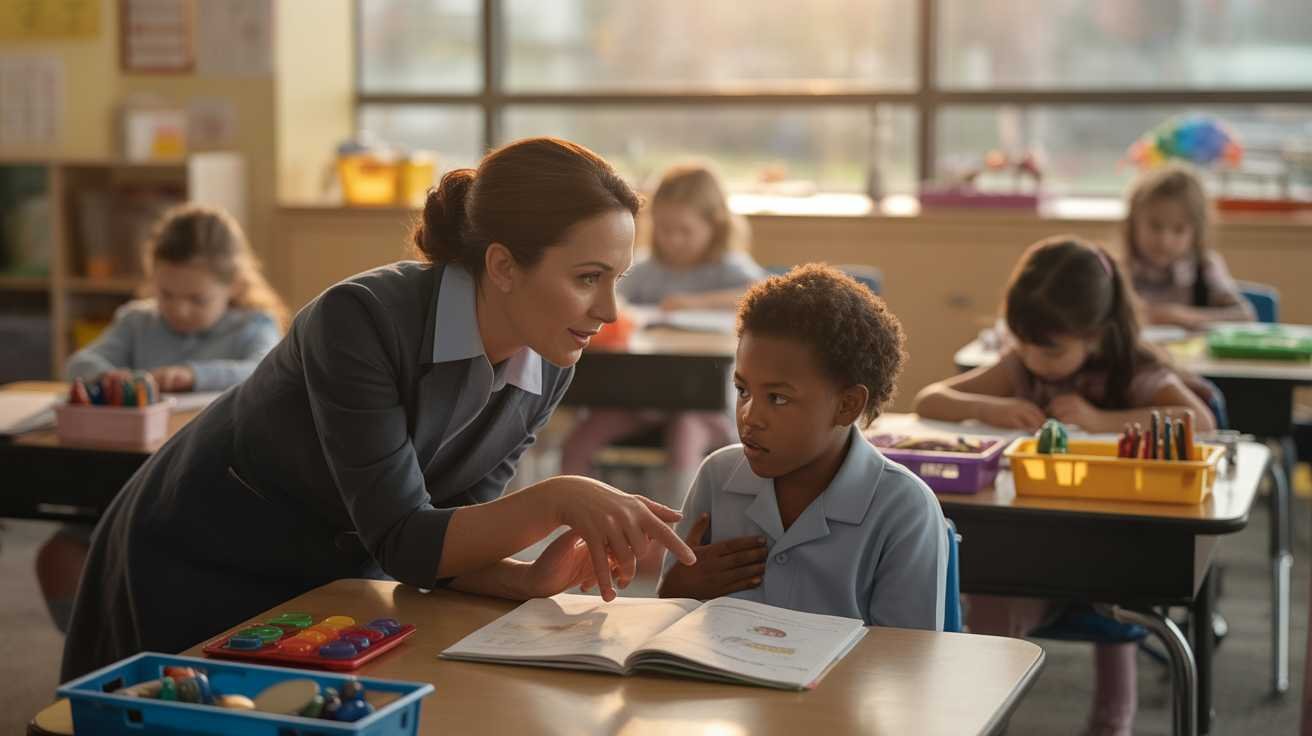
Imagine a child sitting at a desk, their eyes glazed over, struggling to make sense of the words on the page. This is the reality for many students with learning disabilities. But the challenge doesn’t end there. Behavioral issues often accompany these learning difficulties, creating a complex web of obstacles that hinder academic success and personal development. These students are not lazy or defiant; they are navigating a world that doesn’t accommodate their unique needs. As an educational scientist, it’s your responsibility to unravel this complexity and find solutions that empower these students to thrive.
The prevalence of learning and behavioral challenges is staggering. According to recent studies, a significant percentage of students experience some form of learning disability or behavioral disorder during their academic journey. These challenges manifest in various ways – difficulty focusing, impulsivity, anxiety, and social withdrawal, to name a few. The impact is profound, affecting not only academic performance but also self-esteem and future opportunities. The urgency to address these issues cannot be overstated. Every day that passes without intervention is a day these students fall further behind, their potential untapped and their futures uncertain.
Early Identification: The First Step Toward Intervention
Early identification of learning and behavioral challenges is crucial. The earlier these issues are recognized, the sooner interventions can be implemented, leading to better outcomes. As an educational scientist, you understand the importance of early screening and assessment. Tools like Response to Intervention (RTI) and behavioral assessments can help pinpoint students who are at risk and need support. However, identifying the problem is only the beginning. The real challenge lies in implementing effective strategies that address the root causes of these challenges.
Consider the case of a fifth-grade student who has been struggling with reading comprehension. Early assessments revealed that the student had a specific learning disability. With this information, educators were able to implement targeted interventions, such as specialized reading programs and individualized instruction. Over time, the student’s reading skills improved, and so did their confidence and overall academic performance. This success story underscores the importance of early identification and the positive impact it can have on a student’s educational journey.
Creating an Inclusive and Supportive Classroom Environment
An inclusive classroom environment is one where all students feel valued and supported, regardless of their learning or behavioral challenges. As an educational scientist, you recognize that the physical and emotional climate of the classroom plays a significant role in student success. Strategies such as differentiated instruction, flexible seating arrangements, and positive behavior reinforcement can create an environment where students feel safe to take risks and make mistakes. This sense of safety is essential for fostering growth and learning.
For instance, implementing flexible seating allows students to choose where they work best, whether it’s at a desk, on a bean bag, or standing at a high table. This autonomy can lead to increased engagement and focus. Additionally, positive reinforcement techniques, such as praise and rewards for desired behaviors, can motivate students to continue making progress. These strategies not only support students with learning and behavioral challenges but also enhance the overall classroom dynamic, benefiting all learners.
Collaborative Approaches: Partnering with Families and Specialists
Addressing the needs of students with learning and behavioral challenges requires a collaborative approach. Families, educators, and specialists must work together to develop and implement effective strategies. As an educational scientist, you understand the importance of building strong partnerships with families and professionals from various disciplines. Regular communication and shared goals ensure that interventions are consistent and comprehensive, leading to better outcomes for students.
One successful example of collaboration involved a student with ADHD. The student’s teacher, parents, and a school psychologist met regularly to discuss the student’s progress and adjust interventions as needed. This team approach led to the development of a personalized behavior plan that included strategies for managing impulsivity and improving focus. The student’s academic performance and behavior improved significantly, demonstrating the power of collaboration in supporting students with complex needs.
Implementing Evidence-Based Interventions
Evidence-based interventions are strategies that have been proven through research to be effective in addressing specific challenges. As an educational scientist, you are committed to utilizing these interventions to support students with learning and behavioral difficulties. Techniques such as cognitive-behavioral therapy (CBT), social skills training, and self-management programs have shown positive results in improving student outcomes. It’s essential to stay informed about the latest research and best practices to ensure that the interventions you implement are both effective and appropriate for your students.
For example, a study on self-management interventions found that students who were taught to monitor and regulate their own behavior exhibited significant improvements in classroom conduct and academic performance. These interventions empower students to take control of their learning and behavior, fostering independence and confidence. By incorporating evidence-based practices into your teaching, you can provide students with the tools they need to succeed.
Utilizing Technology to Enhance Learning and Behavior
Technology offers innovative solutions for supporting students with learning and behavioral challenges. As an educational scientist, you recognize the potential of digital tools to provide personalized learning experiences and behavioral interventions. Applications that offer interactive lessons, real-time feedback, and progress tracking can engage students and help them stay on task. Additionally, assistive technologies such as speech-to-text software and audiobooks can support students with specific learning disabilities, enabling them to access the curriculum more effectively.
Consider a student with dyslexia who struggles with reading. By using text-to-speech software, the student can listen to the content while following along with the text, improving comprehension and reducing frustration. Similarly, behavioral tracking apps can help students monitor their own behavior, set goals, and receive immediate feedback, promoting self-regulation and accountability. These technological tools not only support students with learning and behavioral challenges but also prepare them for a future where digital literacy is essential.
Professional Development: Equipping Educators with the Necessary Skills
Educators must be equipped with the knowledge and skills to support students with learning and behavioral challenges effectively. As an educational scientist, you advocate for ongoing professional development opportunities that focus on evidence-based strategies, classroom management techniques, and understanding of diverse learning needs. Workshops, seminars, and collaborative planning sessions can provide educators with the tools they need to create inclusive and supportive learning environments.
For instance, a professional development program on trauma-informed teaching helped educators understand the impact of trauma on student behavior and learning. Teachers learned strategies to create safe and supportive classrooms, recognize signs of trauma, and respond appropriately. As a result, students felt more secure and engaged, leading to improved academic performance and behavior. Investing in professional development is an investment in student success, ensuring that educators are prepared to meet the diverse needs of their students.
Monitoring Progress and Adjusting Strategies
Continuous monitoring of student progress is essential to determine the effectiveness of interventions and make necessary adjustments. As an educational scientist, you emphasize the importance of data-driven decision-making. Regular assessments, observations, and feedback from students and families can provide valuable insights into what is working and what needs modification. This ongoing evaluation ensures that interventions remain relevant and effective, leading to sustained improvements in student outcomes.
For example, a teacher implemented a behavior intervention plan for a student exhibiting disruptive behavior. Through regular monitoring and data collection, the teacher identified patterns and triggers for the behavior. Adjustments were made to the plan, such as incorporating more frequent breaks and providing clearer instructions. These modifications led to a significant reduction in disruptive incidents, demonstrating the importance of monitoring and adjusting strategies to meet student needs.
The time to act is now. The strategies outlined above are not just theoretical; they are practical, evidence-based approaches that can make a tangible difference in the lives of students with learning and behavioral challenges. As an educational scientist, you have the knowledge and expertise to implement these strategies effectively. The urgency is clear, the need is critical, and the impact is profound. Don’t wait for change to happen – be the change. Your students are counting on you.
For a deeper understanding, check out our detailed guide on BEST PLACES TO VISIT IN which covers related aspects in depth.
As you consider implementing these impactful strategies in education, it’s also essential to think about enriching experiences outside the classroom. Exploring the best places to visit in Arizona with kids can offer valuable opportunities for learning and growth, fostering a well-rounded development for your students.