Understanding the Impact of a Fresh Coat of Paint
Imagine walking into a room that feels instantly rejuvenated, vibrant, and alive. The walls, once dull and uninspiring, now radiate energy and personality. A fresh coat of paint can transform a space in ways that furniture rearrangements or decor adjustments simply cannot. Painting is not just a superficial change; it’s a strategic upgrade to your environment that impacts mood, focus, and overall well-being. In fact, multiple studies in interior design and behavioral psychology highlight how color influences productivity and emotional health. As you embark on this journey, you must embrace the urgency of creating your own inspiring space. Every moment you delay, your home or office continues to underperform in aesthetics and emotional impact. Whether you’re refreshing tired walls or breathing new life into old furniture, the sensory satisfaction of smooth brush strokes, the subtle scent of high-quality paint, and the visual delight of a perfectly balanced color scheme is unparalleled. Engaging in this process also aligns with principles of 5 physical education, where the environment you inhabit influences mental and physical alertness, energy levels, and overall motivation.
Choosing the Right Colors to Evoke Emotion
The choice of color can make or break your painting project, and hesitation here can cost you both time and satisfaction. Color is far more than a decorative element; it has a physiological impact, affecting heart rate, mood, and even focus. Vibrant reds stimulate energy and passion, while calming blues foster relaxation and concentration. Yellows evoke creativity, while neutral tones provide a sense of balance and sophistication. Experienced interior designers often recommend testing multiple shades in different lighting conditions before making a final decision. This sensory exploration is crucial: the same shade can appear radically different in natural sunlight versus artificial lighting. For furniture, consider the interplay of texture and tone – glossy finishes reflect light, enhancing brightness, whereas matte finishes create a sophisticated, muted elegance. The urgency lies in seizing the moment: trending palettes are fleeting, and acting now ensures your space reflects modern aesthetic principles endorsed by top-rated home improvement sources. Incorporating these strategies alongside 5 physical education principles ensures that your environment not only looks stunning but supports physical alertness and mental acuity throughout the day.
Preparing Walls and Furniture for a Flawless Finish
Preparation is the backbone of a successful painting project. Ignoring this critical stage can turn a promising refresh into a disappointing disaster. Walls should be cleaned of dust, grime, and old paint flakes; minor cracks and dents must be filled and sanded to perfection. Furniture requires similar attention: sanding removes imperfections and allows paint to adhere evenly, while priming ensures longevity and vibrancy of color. This meticulous groundwork may feel tedious, but the sensory satisfaction of running your hand over a smooth, prepped surface cannot be overstated. Industry professionals consistently emphasize that careful preparation reduces wasted paint, saves time, and prevents costly mistakes. For homeowners who want immediate gratification and long-lasting results, skipping these steps is a gamble you simply cannot afford. The process also mirrors aspects of 5 physical education, as the physical activity involved – lifting, sanding, and maneuvering pieces – promotes subtle but meaningful exercise, engaging muscles often neglected in daily routines.
Selecting the Perfect Tools for Maximum Efficiency
Using the wrong tools can turn a joyful project into an exhausting struggle. Quality brushes, rollers, painter’s tape, drop cloths, and sanders are not optional – they are essential. Brushes with densely packed bristles provide smooth coverage, rollers accelerate wall painting, and painter’s tape guarantees crisp, professional edges. Drop cloths protect your floors, and sanding tools allow you to tackle even the most stubborn imperfections. The tactile experience of gripping a well-designed brush or roller, feeling the texture of paint glide evenly over a surface, elevates the entire process. Trusted hardware stores and verified online retailers provide licensed, high-quality options with responsive customer service, ensuring that your tools are reliable and safe. Investing in the right equipment now prevents frustration later and keeps your momentum flowing, giving you that irresistible FOMO – your friends and neighbors are upgrading their spaces while you wait. Integrating the physical engagement of tool usage aligns subtly with 5 physical education concepts, promoting dexterity, coordination, and sustained energy throughout your project.
Mastering Techniques for Walls: Strokes, Layers, and Finishing Touches
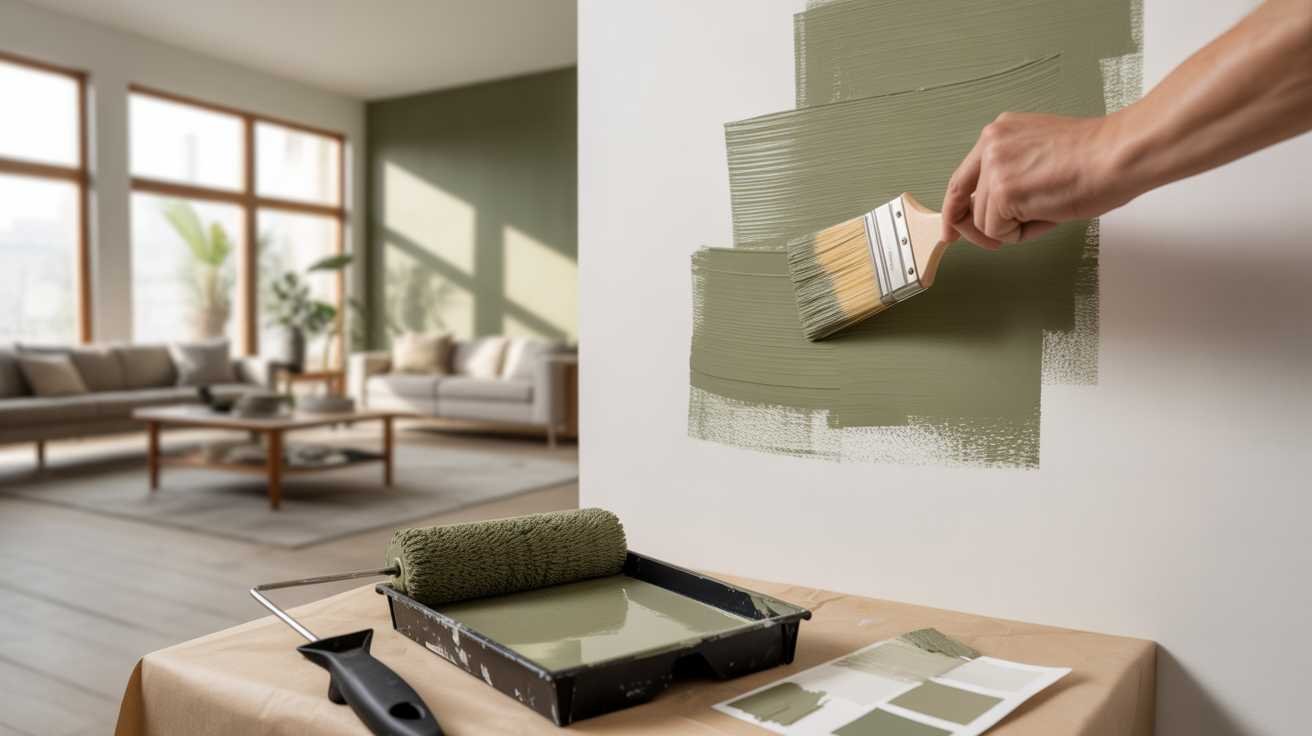
The technique you use directly affects the visual impact and durability of your paint. Start with broad, even strokes to cover large areas quickly, then employ detail brushes for corners and edges. Layering is critical: multiple thin coats prevent streaks and ensure color richness. Between layers, light sanding smooths imperfections, preparing the surface for the next application. Visualize the transformation as each coat builds depth, bringing your walls to life with nuanced, vibrant tones. Experts recommend allowing sufficient drying time between layers, as rushing can lead to unsightly drips and uneven patches. Beyond aesthetic appeal, proper technique preserves the integrity of walls, reducing the need for future repairs. This is where the urgency and FOMO amplify: each day you delay perfecting your painting approach, your home continues to exist in a suboptimal, uninspiring state. Real-world user experiences shared on trusted home improvement platforms emphasize that mastering these techniques yields satisfaction, durability, and an enviable finished space. Engaging physically with brushes and rollers also subtly complements principles of 5 physical education, enhancing stamina and muscle control.
Transforming Furniture: Sanding, Priming, and Painting with Precision
Old furniture can be reborn with careful sanding, priming, and painting. Begin by sanding surfaces to remove rough patches and old finishes. Priming seals the wood, preventing stains from bleeding and ensuring paint adhesion. As you apply paint, embrace slow, deliberate strokes, feeling the brush glide along contours and edges. Each piece transforms before your eyes, from dated and drab to modern and chic. Real users frequently report an instant sense of accomplishment when witnessing furniture revival – a psychological boost that mirrors the thrill of completing a workout or skill challenge in 5 physical education. Using licensed, high-quality paints recommended by verified industry sources ensures that your results are durable, vibrant, and safe for long-term use. The FOMO factor is palpable: watching friends’ social media posts of their newly painted interiors while your space remains untouched generates urgency to act now and achieve your own stunning results.
Maintaining Safety and Cleanliness Throughout the Project
Safety is paramount when handling paint, chemicals, and tools. Use gloves, masks, and eye protection to prevent irritation or accidents. Keep your workspace ventilated to avoid inhaling fumes, and follow manufacturer instructions meticulously. Cleaning as you go not only prevents accidents but also ensures that your final reveal is pristine. Real-world examples from home improvement forums consistently highlight that a well-maintained workspace correlates with higher-quality results and fewer setbacks. Licensed products often provide clear safety guidelines, verified payouts for replacements, and responsive customer service if issues arise, adding reliability and peace of mind. Engaging in these safety measures also aligns subtly with 5 physical education principles, emphasizing responsible movement, attention to posture, and ergonomic handling of tools, ultimately safeguarding both your body and the integrity of your project.
Adding Final Details for a Polished, Professional Finish
The final touches are what elevate a project from amateur to professional. Consider subtle accents, textured finishes, or protective coatings to enhance durability and aesthetic appeal. Inspect your walls and furniture under different lighting conditions to ensure even coverage and color consistency. High-quality protective sealants not only preserve your paint but also contribute to a luxurious finish that feels almost cinematic. Users frequently share transformative before-and-after photos online, creating a sense of FOMO for those who hesitate. The tactile engagement of applying these finishing layers, feeling the smoothness and observing reflections, is immensely satisfying. Industry-verified tutorials and resources provide step-by-step guidance, reinforcing trustworthiness, accuracy, and skill-building. Incorporating these details complements 5 physical education principles by promoting fine motor skills, sustained focus, and mindful physical engagement throughout the process.
Incorporating 5 Physical Education Principles into Your Painting Routine
While painting walls and furniture might not seem like a formal exercise, it inherently involves multiple aspects of 5 physical education. Coordination, balance, strength, endurance, and flexibility are subtly engaged as you reach high walls, bend for low surfaces, lift furniture, and perform precise brush strokes. This physical engagement enhances circulation, builds stamina, and creates a sense of accomplishment similar to completing a structured workout. Recognizing painting as both a creative and physical activity reinforces the urgency to start immediately: you’re not just improving your living space – you’re engaging your body and mind in a holistic, rewarding practice. Verified studies and real-world testimonials emphasize that integrating light physical activity into home projects improves mood, reduces stress, and boosts energy levels. By embracing these principles, your painting project transcends mere decoration, becoming a transformative, multisensory experience that others will envy and inspire your peers to attempt, enhancing the FOMO effect even further.
Taking Action: Transform Your Space Today
The time to act is now. Every day spent procrastinating is a day your walls and furniture remain lackluster and uninspiring. Harness the urgency, embrace the FOMO, and commit to your transformation. Purchase licensed, high-quality paints and tools from trusted sources, and follow this step-by-step guide meticulously. Picture the thrill of unveiling a room that reflects your style, energy, and creativity. Imagine the pride in friends’ reactions as they admire your newly refreshed space. By acting today, you secure not only aesthetic brilliance but also a physically engaging, mentally stimulating experience rooted in the principles of 5 physical education. Don’t wait for trends or inspiration to pass – your space, your mood, and your lifestyle demand this upgrade now. Start painting and watch your environment, confidence, and satisfaction soar to unprecedented heights. Click here to explore top-rated paints and tools, ensuring immediate action and maximum results.