In the ever-evolving landscape of education, traditional methods are rapidly being overshadowed by more dynamic and collaborative approaches. One such method that has gained significant traction is peer-to-peer (P2P) learning. This approach not only fosters a deeper understanding of the subject matter but also cultivates essential life skills such as communication, empathy, and leadership. If you’re looking to revolutionize your learning environment and create an atmosphere brimming with engagement and mutual growth, then embracing P2P learning is not just an option – it’s a necessity.
Understanding the Core of Peer-to-Peer Learning
At its essence, peer-to-peer learning is a collaborative educational approach where individuals learn from and with each other. Unlike traditional teacher-centered models, P2P learning places students at the heart of the educational process, encouraging them to share knowledge, discuss ideas, and solve problems collectively. This method aligns with progressive educational beliefs that emphasize active participation and mutual respect among learners.
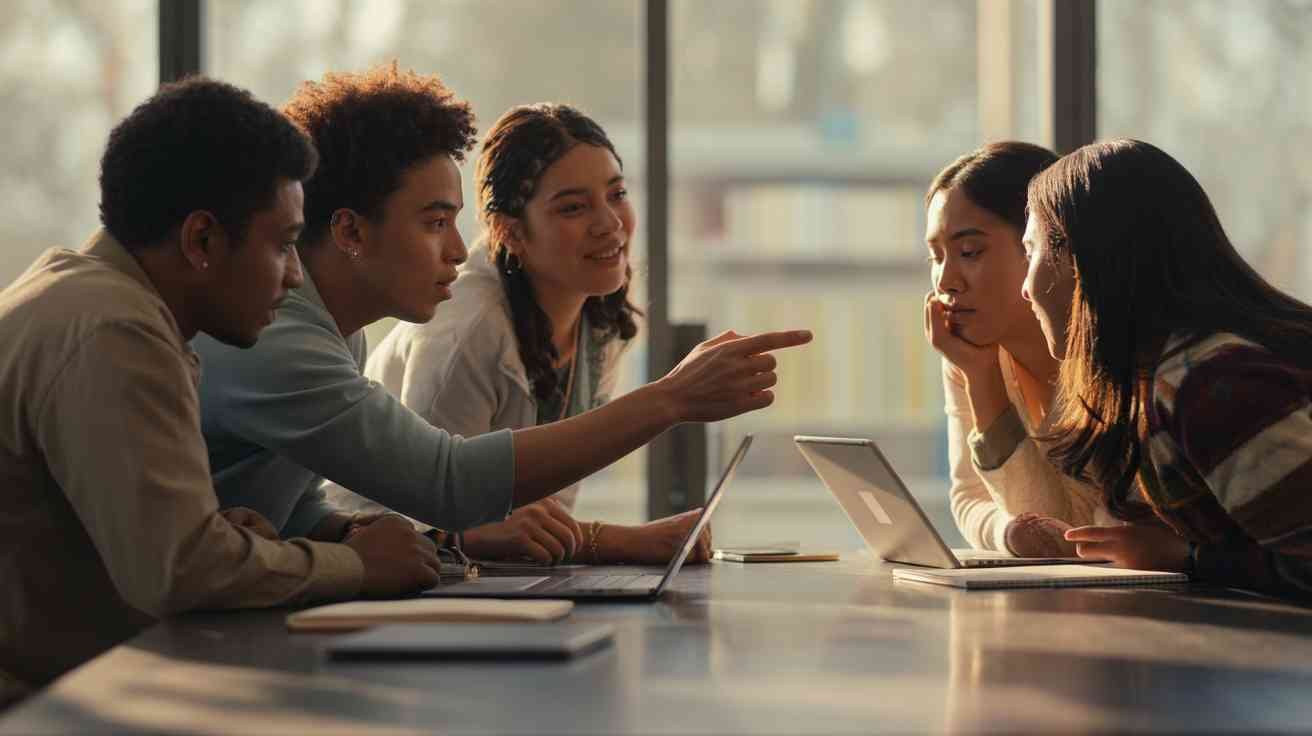
Implementing P2P learning transforms the classroom into a vibrant community of inquiry. Imagine a setting where students eagerly engage in discussions, challenge each other’s perspectives, and collaboratively navigate complex concepts. This dynamic environment not only enhances academic performance but also prepares students for real-world challenges by honing critical thinking and collaborative skills.
The Benefits of Peer-to-Peer Learning
Adopting a peer-to-peer learning model offers a multitude of benefits that extend beyond academic achievement. Research has consistently shown that P2P learning can lead to improved retention rates, increased motivation, and a deeper understanding of the subject matter. When students teach and learn from each other, they reinforce their own knowledge and gain new insights from their peers.
Moreover, P2P learning fosters a sense of community and belonging. Students feel more connected to their peers and are more likely to engage in the learning process. This sense of community is crucial in today’s educational landscape, where social isolation can hinder learning and development. By promoting collaboration and mutual support, P2P learning creates an inclusive environment where every student has the opportunity to thrive.
Designing Effective Peer-to-Peer Learning Activities
To harness the full potential of peer-to-peer learning, it’s essential to design activities that are engaging, purposeful, and aligned with learning objectives. Start by identifying clear goals for the activity. What do you want students to achieve? Whether it’s mastering a specific concept, developing a particular skill, or fostering teamwork, having a clear objective will guide the design of the activity.
Next, consider the structure of the activity. Will students work in pairs, small groups, or larger teams? Each structure has its advantages and can be chosen based on the desired outcomes. For instance, pair work can facilitate in-depth discussions, while group work can encourage diverse perspectives and collaborative problem-solving.
Incorporate elements that promote active engagement. This could include case studies, role-playing scenarios, or problem-solving tasks that require students to apply their knowledge in real-world contexts. Additionally, provide opportunities for reflection, allowing students to assess their learning and identify areas for improvement.
Implementing Peer-to-Peer Learning in the Classroom
Successfully integrating peer-to-peer learning into the classroom requires careful planning and execution. Begin by establishing ground rules that promote respect, active listening, and constructive feedback. It’s crucial that students understand the expectations and the importance of maintaining a positive and supportive learning environment.
Introduce the concept of peer learning gradually. Start with simple activities that allow students to become comfortable with the process. As they gain confidence, increase the complexity of the tasks and encourage more independent collaboration. Throughout this process, provide guidance and support to ensure that students are effectively engaging with their peers and achieving the learning objectives.
Additionally, consider incorporating technology to facilitate peer learning. Online platforms can provide avenues for students to collaborate beyond the classroom, share resources, and communicate asynchronously. These tools can enhance the peer learning experience and make it more accessible to all students.
Overcoming Challenges in Peer-to-Peer Learning
While peer-to-peer learning offers numerous advantages, it’s not without its challenges. One common issue is the unequal distribution of knowledge and skills among students. Some may feel more confident or competent, leading to imbalances in the learning process.
To address this, implement strategies that promote equity and inclusivity. Assign roles within groups to ensure that all students have an opportunity to contribute. Encourage peer mentoring, where more experienced students support their peers, fostering a collaborative learning environment. Regularly assess group dynamics and provide feedback to ensure that all students are actively participating and benefiting from the peer learning experience.
Another challenge is the potential for conflicts or misunderstandings among peers. To mitigate this, provide training on effective communication and conflict resolution. Equip students with the skills to navigate disagreements constructively and maintain a positive learning atmosphere.
Assessing the Impact of Peer-to-Peer Learning
Evaluating the effectiveness of peer-to-peer learning activities is essential to ensure that they are meeting their objectives and providing value to students. Utilize a combination of formative and summative assessment methods to gauge student learning and engagement.
Formative assessments, such as quizzes, reflections, and peer evaluations, can provide immediate feedback and inform instructional adjustments. Summative assessments, like projects or presentations, can measure the overall impact of the peer learning experience on student outcomes.
Additionally, gather qualitative feedback from students to understand their perceptions of the peer learning process. This can offer valuable insights into what is working well and areas that may need improvement. Use this feedback to refine and enhance future peer-to-peer learning activities.
Fostering a Culture of Peer Learning
Creating a sustainable culture of peer learning requires ongoing commitment and support from all stakeholders, including educators, students, and administrators. Promote the value of peer learning by highlighting its benefits and successes. Share stories of how peer learning has positively impacted students’ academic performance and personal growth.
Encourage students to take ownership of their learning by providing opportunities for them to lead peer learning activities. This not only reinforces their understanding but also builds leadership skills and confidence. Recognize and celebrate the contributions of students who actively engage in peer learning, reinforcing the importance of collaboration and mutual support.
Integrate peer learning into the broader educational framework by aligning it with curriculum goals and institutional priorities. Advocate for policies and practices that support peer learning initiatives and provide the necessary resources and training for their implementation.
Staying Ahead with Peer-to-Peer Learning
As education continues to evolve, staying ahead of trends and innovations is crucial. Peer-to-peer learning is at the forefront of this transformation, offering a dynamic and effective approach to teaching and learning. By embracing this model, you position yourself and your students for success in an increasingly interconnected and collaborative world.
Don’t miss out on the opportunity to revolutionize your learning environment. Start implementing peer-to-peer learning today and witness the profound impact it can have on student engagement, achievement, and personal development. The future of education is collaborative – be a part of it.