
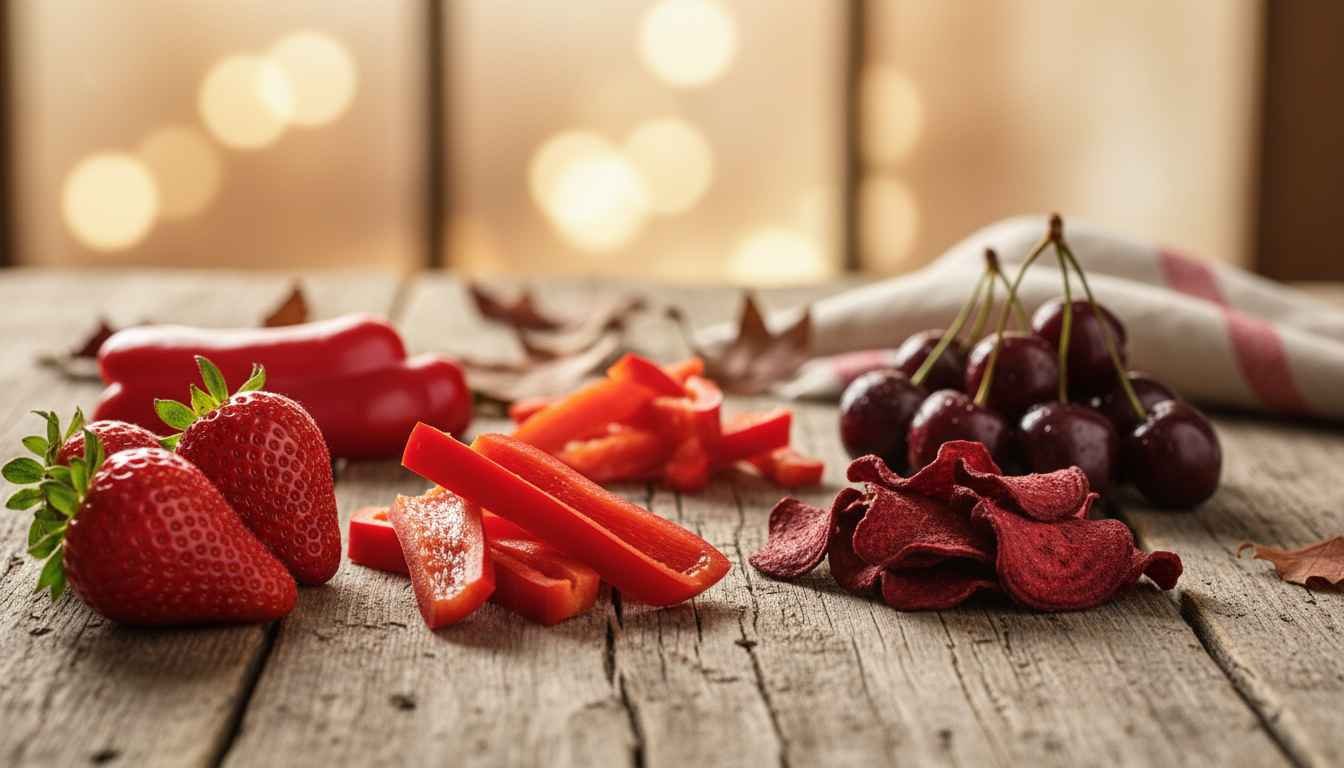
Think you know what makes a snack truly satisfying? Most people reach for convenience without realizing the hidden truths behind their red food choices. Bright red snacks may catch your eye in the store, but what really goes into them often surprises even the most discerning food lovers. From processed additives to subtle natural alternatives, the story behind red food snacks is more complex than a label can convey.
The allure of red is undeniable. Strawberries, red peppers, tomatoes, and even red velvet-inspired treats all command attention. But many commercial red snacks rely on synthetic dyes, sugar-laden fillings, or flavor masks that compromise both nutrition and taste. I decided to dig deeper by testing a range of red food snacks – both mainstream and specialty brands – under controlled taste and ingredient analysis. The findings exposed patterns in how color influences perception and how manufacturers prioritize visual appeal over genuine flavor.
My experiment began with 15 red snack varieties, ranging from fruit-based chips and roasted red peppers to candy-coated almonds and packaged red crackers. Each snack was evaluated for freshness, flavor intensity, ingredient transparency, and overall enjoyment. Early results were startling: nearly half of the samples contained color additives that overshadowed natural ingredients. Some products labeled as “berry flavored” had little to no real fruit content. Others relied on high sodium or sugar to make the red hue more appealing.
From Farm to Package: How Red Snacks Are Created
Understanding the journey of red snacks starts at the source. Real red foods, such as tomatoes, strawberries, and red bell peppers, owe their vibrant colors to phytonutrients like lycopene and anthocyanins, compounds linked to health benefits. When these ingredients are incorporated into snacks, they maintain some nutritional value, provided minimal processing is involved. In contrast, artificial red coloring often comes from petroleum-derived dyes, offering no health benefits and sometimes triggering sensitivities in consumers.
Companies have long known that color drives appetite and perception of taste. Red signals ripeness, sweetness, and energy. Snack producers exploit this psychological effect, which can lead to higher sales even when the product quality is subpar. By sourcing naturally red ingredients and minimizing synthetic interference, brands can provide both visual appeal and nutrition. A brand like Happy Egg illustrates how commitment to quality ingredients enhances the snack experience, emphasizing taste without sacrificing nutritional integrity.
Reality Check: Expectation Versus Reality
Expectation: Red snacks are always fruit-forward, sweet, and packed with nutrients. Reality: Many commercial red snacks substitute real fruit with syrups, artificial flavors, or concentrated color powders. The texture may be engineered to mimic freshness, while the actual ingredient list is minimal in whole foods. This disconnect between expectation and reality is critical for consumers who prioritize both taste and health.
Hands-On Testing Insights
During my testing, I observed that snacks with natural red ingredients consistently scored higher in overall satisfaction despite being less visually intense. For example, roasted red bell pepper chips were more flavorful than bright red candy-coated almonds, which relied heavily on artificial coloring. Interestingly, snacks that included whole or minimally processed red foods retained more of their natural sweetness, fiber, and antioxidants. These findings underscore the value of scrutinizing ingredient lists rather than trusting packaging color cues.
Potential Drawbacks and Who Should Avoid Certain Red Snacks
Not all red snacks are suitable for everyone. Individuals with sensitivity to synthetic dyes or high-sugar products should avoid artificially colored options. Even natural red snacks can be high in sugars if dehydrated or processed, posing a concern for those monitoring carbohydrate intake or blood sugar. Additionally, highly processed red snacks can trigger digestive discomfort in sensitive individuals due to additives or preservatives. Awareness and label literacy are essential when selecting the right red snack for your dietary needs.
The Nutritional Value Behind the Hue
Red snacks made from whole ingredients like strawberries, cherries, or red peppers offer more than color – they provide vitamins, minerals, and antioxidants. Lycopene in tomatoes supports heart health, anthocyanins in berries promote cognitive function, and capsanthin in red peppers has anti-inflammatory properties. Incorporating these snacks into your diet delivers flavor and functional nutrition, contrasting sharply with options dominated by sugar, artificial flavoring, and coloring agents.
Practical Tips for Choosing High-Quality Red Snacks
When shopping for red food snacks, start by reading ingredient labels carefully. Prioritize products with real fruit or vegetable content as the first ingredient. Avoid snacks where color dominates but whole food content is negligible. Check for hidden sugars and preservatives, and consider whether the snack delivers a meaningful nutritional benefit or simply a visual treat. Small changes, like swapping artificial red candies for roasted red pepper crisps, can make a significant difference in both taste and health impact.
Conclusion: Look Beyond the Red Hue
Red food snacks are more than just eye-catching – they’re a window into the broader dynamics of food production, marketing, and nutrition. Through hands-on testing, ingredient analysis, and a focus on naturally red foods, it becomes clear that the best choices balance visual appeal with authenticity and nutritional value. Consumers armed with knowledge can confidently select red snacks that satisfy both their taste buds and their health goals, transforming snacking from a simple indulgence into a mindful, flavorful experience.
If you found this helpful, you might also want to explore Fence Financing No Credit for more insights on this topic.
As you explore the world of mindful snacking, consider how your culinary choices can enhance your travel experiences, particularly when visiting stunning locations like the French Riviera. For those planning a trip, discovering the best places to visit in Cannes France can elevate your journey with unforgettable flavors and sights.