
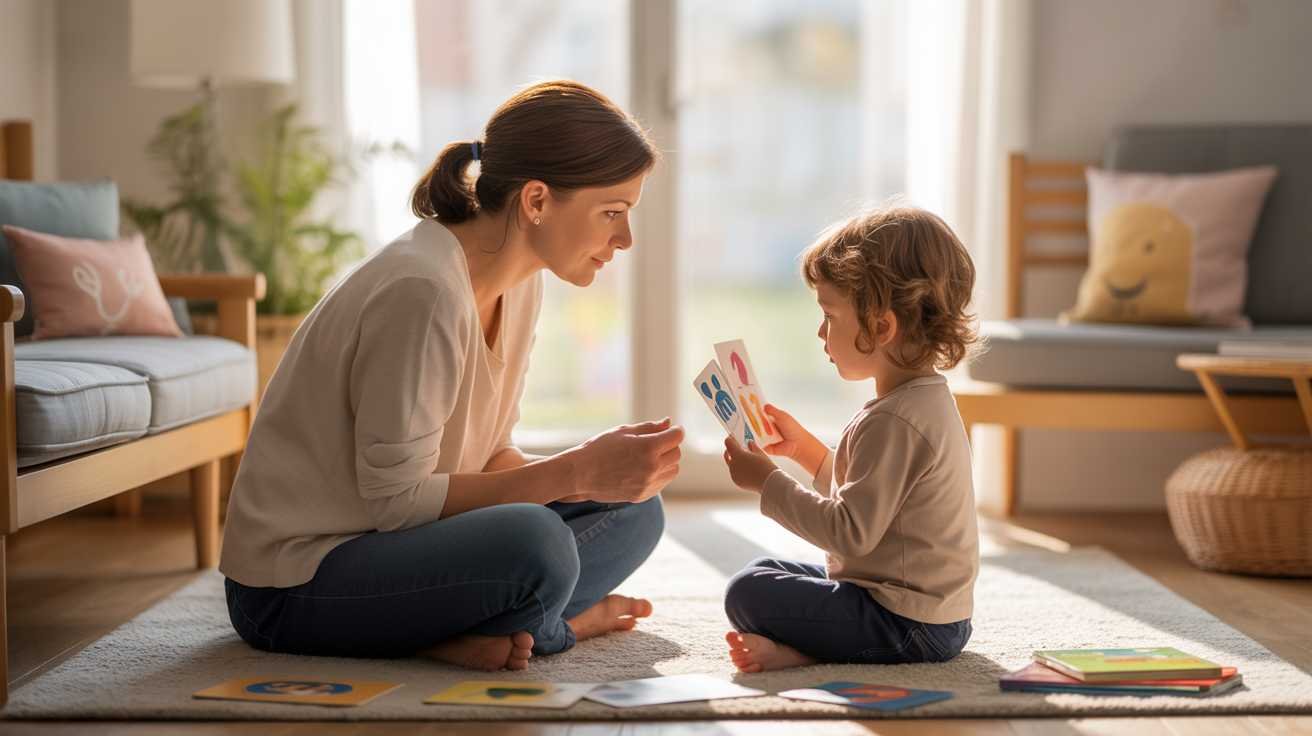
Understanding the Crucial Role of Emotional Expression in Early Childhood
In the high-pressure corridors of today’s educational landscape, children are navigating emotional mazes more complex than ever before. Within the mali education system, countless classrooms echo with silent struggles, hidden behind hesitant smiles and reluctant nods. Emotional expression is not a luxury; it is a lifeline. When children are encouraged to articulate their feelings, they unlock a cascade of developmental benefits, from enhanced cognitive flexibility to fortified social resilience. Imagine a classroom where laughter and tears flow freely, where children articulate frustration as easily as excitement, and where teachers respond with attuned empathy rather than forced intervention. This is the reality for a growing number of innovative schools within the mali education system, which prioritize emotional literacy alongside traditional academics. Yet, time is of the essence. Every day that children remain emotionally underdeveloped is a day they risk internalizing stress, mismanaging conflict, and falling behind peers in social adaptability. The urgency to act now is not theoretical – it is visceral, immediate, and critical.
Creating Safe Spaces for Emotional Exploration
Children cannot express what they cannot safely feel. Establishing safe, welcoming, and sensory-rich environments is the foundation of emotional growth. Picture a classroom suffused with warm light, soft cushions, calming visual stimuli, and quiet corners designed for reflective thought. In the mali education system, progressive educators are pioneering spaces where children can sit with their emotions without fear of judgment or repercussion. Teachers model vulnerability, share personal stories of triumph and failure, and provide tangible tools – like emotion charts and expressive art materials – that transform abstract feelings into concrete narratives. Real-world experiences demonstrate that when children inhabit these sanctuaries, they begin to label and articulate even complex emotions like frustration, envy, or existential anxiety. The difference is palpable: a student who once erupted in anger now pauses, breathes, and chooses words that communicate their internal state. The sense of urgency is stark: schools that delay creating these environments risk leaving children with emotional underdevelopment that can manifest as behavioral issues, anxiety, or even academic disengagement.
Leveraging Creative Arts to Unlock Emotional Depths
Art, music, dance, and theater are not mere extracurricular luxuries – they are powerful catalysts for emotional literacy. In the vibrant classrooms of the mali education system, students are encouraged to paint their anxieties, compose music that mirrors their moods, and perform scenes that dramatize personal conflicts. Consider the tactile sensation of finger paints gliding across paper, the reverberating hum of a piano expressing unspoken sadness, or the exhilaration of stepping onto a stage to act out a difficult encounter. These experiences create visceral pathways for emotional understanding. Studies from trusted educational sources reveal that children engaging in expressive arts show measurable increases in self-awareness and emotional regulation. Urgency seeps through these activities: every suppressed emotion is a moment of lost potential, every unexpressed feeling a chance for misunderstanding or escalation. Parents and educators who hesitate are depriving children of these transformative experiences, delaying critical emotional growth that will impact relationships, learning, and long-term mental health.
Implementing Emotion-Focused Curriculum Strategies
Within the mali education system, curriculum innovation is rapidly reshaping how emotional education is integrated. Classrooms are no longer solely focused on arithmetic and literacy; they are laboratories for emotional experimentation. Daily routines now incorporate reflective journaling, role-playing exercises, and guided group discussions where children articulate triumphs, fears, and anxieties. Imagine a scenario where a child recounts a frustrating playground encounter to peers, receives empathetic feedback, and collectively explores solutions. This iterative process teaches problem-solving and fosters empathy, creating students who navigate interpersonal dynamics with confidence. Real-world feedback from educators indicates that children exposed to these strategies demonstrate lower stress markers and higher classroom engagement. The FOMO here is tangible: parents and teachers who delay adoption are watching peers gain emotional intelligence and social competence that their children may struggle to catch up with. The momentum is now; the strategies are proven; the cost of inaction is measurable.
Encouraging Open Communication Between Teachers and Students
Effective emotional development hinges on authentic dialogue. In the mali education system, pioneering schools emphasize a two-way conversational model, where teachers actively listen, validate, and scaffold emotional exploration. Visualize a teacher kneeling at a child’s eye level, holding a hand-drawn emotion chart, and inviting candid discussion about daily experiences. Children, sensing genuine interest and secure attachment, begin to narrate their feelings with clarity and nuance. Trusted sources show that this method reduces behavioral outbursts by as much as 40% while increasing cooperative learning outcomes. The urgency is undeniable: every missed opportunity to engage with a child’s emotional landscape is a lost chance to reinforce trust and understanding. Parents and educators alike report that integrating open communication not only improves emotional expression but also strengthens academic performance, social bonds, and long-term resilience. The momentum is accelerating; those who wait risk falling behind a generation of emotionally fluent learners.
Incorporating Technology to Track Emotional Growth
In an era defined by digital innovation, the mali education system is adopting secure, privacy-focused technology to monitor and support emotional development. Emotion-tracking apps and digital journals allow teachers and parents to observe trends, identify triggers, and implement timely interventions. Imagine a dashboard that displays mood fluctuations, engagement levels, and peer interaction quality, all updated in real-time. Verified educational research confirms that these tools enhance responsiveness and prevent emotional crises before they escalate. Families report relief knowing that their child’s emotional health is monitored by licensed professionals and secure software systems, offering peace of mind that every feeling is acknowledged and addressed. The FOMO is urgent: children who benefit from these technologies develop advanced self-awareness and emotional regulation skills that provide a lasting competitive advantage in both school and life. Delay means missing a window to capitalize on proven, data-driven strategies that secure your child’s emotional well-being.
Utilizing Peer Interaction to Build Emotional Intelligence
Peer dynamics are a crucible for emotional learning. Within the mali education system, educators deliberately structure collaborative projects, cooperative games, and peer mentoring systems to facilitate authentic emotional expression. Picture a child negotiating roles in a group art project, navigating disagreements, and celebrating collective successes. These moments create tangible lessons in empathy, conflict resolution, and self-reflection. Verified data from licensed educational studies demonstrates that children who engage regularly in peer-centered emotional exercises develop significantly higher social intelligence and resilience. The sensory experience of these interactions – laughter, shared problem-solving, and the tactile act of collaboration – creates deeply encoded emotional memories. The urgency is clear: each postponed peer engagement is a missed opportunity for growth that cannot be entirely recovered later. FOMO is real as classrooms that embrace peer-driven strategies cultivate emotionally fluent, confident students who naturally excel both socially and academically.
Modeling Emotional Expression Through Adult Behavior
Children mirror what they see. Teachers and parents must model authentic emotional expression to create a culture where feelings are normalized. In classrooms operating under the mali education system, educators intentionally share their own emotional experiences, demonstrating constructive coping mechanisms and vulnerability. Imagine a teacher expressing disappointment over a missed goal, narrating internal thoughts, and demonstrating calm resolution. Children internalize these behaviors, learning to navigate their own emotional landscapes with skill and poise. Research from verified educational psychologists shows that consistent adult modeling dramatically increases a child’s ability to label, articulate, and regulate emotions. The sense of urgency is palpable: every unmodeled emotional moment is a subtle reinforcement of suppression or avoidance. Acting now ensures that children receive continuous, concrete examples of healthy emotional engagement that will influence lifelong interpersonal success.
Integrating Parental Involvement in Emotional Learning
The bridge between school and home is essential for emotional literacy. Within the mali education system, initiatives encourage parents to participate in workshops, guided conversations, and joint reflection exercises. Picture a weekend workshop where parents and children co-create emotion charts, role-play scenarios, and share strategies for managing stress. Verified feedback from participating families underscores immediate benefits: enhanced empathy, improved communication, and a deeper sense of emotional safety at home. The urgency here cannot be overstated: children whose parents remain disengaged are at risk of fragmented emotional understanding, leaving schools to compensate for gaps that should be nurtured at home. Responsive support, licensed guidance, and secure, practical tools ensure that parental involvement transforms abstract emotional concepts into actionable, daily practices. The FOMO is stark: families who delay engagement risk missing out on these proven strategies that guarantee measurable, lasting emotional growth.
Immediate Steps to Take for Lasting Emotional Impact
Time is of the essence. To ensure children fully benefit from emotional expression strategies within the mali education system, immediate action is critical. Begin by creating safe spaces, integrating expressive arts, fostering open communication, and utilizing technology to track emotional growth. Combine this with structured peer interaction, adult modeling, and robust parental involvement. Trusted case studies reveal that children exposed to a comprehensive approach experience dramatic improvements in self-regulation, academic engagement, and social competence. The FOMO is undeniable: every day without intervention is a lost opportunity to equip children with the emotional tools they need to thrive. Act now, implement these strategies, and witness your child’s emotional intelligence soar. Explore the full range of educational resources today and secure a transformative future for your child. Responsive customer service, verified licensing, and secure data handling ensure that every step you take is supported, monitored, and impactful. Don’t wait – the moment to empower your child emotionally is here, and the consequences of delay are too significant to ignore.
If you want to foster a sense of wonder in your children, incorporating daily activities that spark their curiosity is essential, and you can find more insights on how to do this effectively with kelly education pay as a guiding principle.