Imagine the stress of moving your prized vessel across Scotland without a reliable plan. The risk of damage, delays, or hidden fees can turn excitement into frustration. Boat transport is not just a matter of logistics; it is an orchestration of timing, safety, and expertise. One wrong decision can cost thousands, not just in money, but in peace of mind.
Before engaging a transport service, most boat owners underestimate the complexity involved. Scotland’s diverse waterways, combined with challenging road networks, make even short-distance moves a logistical puzzle. After completing a professional boat transport, owners often describe the sensation as a weight lifted off their shoulders – knowing their vessel arrived intact, on time, and without unnecessary stress.
Before and After: Planning and Preparation
Before: Owners often attempt to manage the transport themselves, using personal vehicles or unsuitable trailers. This leads to high stress, potential regulatory violations, and exposure to accidents.
After: Professional boat transport companies manage permits, route planning, and towing equipment. The result is a seamless process where owners can monitor progress without manual intervention, reducing anxiety and risk.
Before and After: Loading and Securing the Vessel
Before: Improper loading techniques can result in hull damage, scratches, or instability during transit. Many amateur attempts fail to account for weight distribution or marine-specific tie-downs.
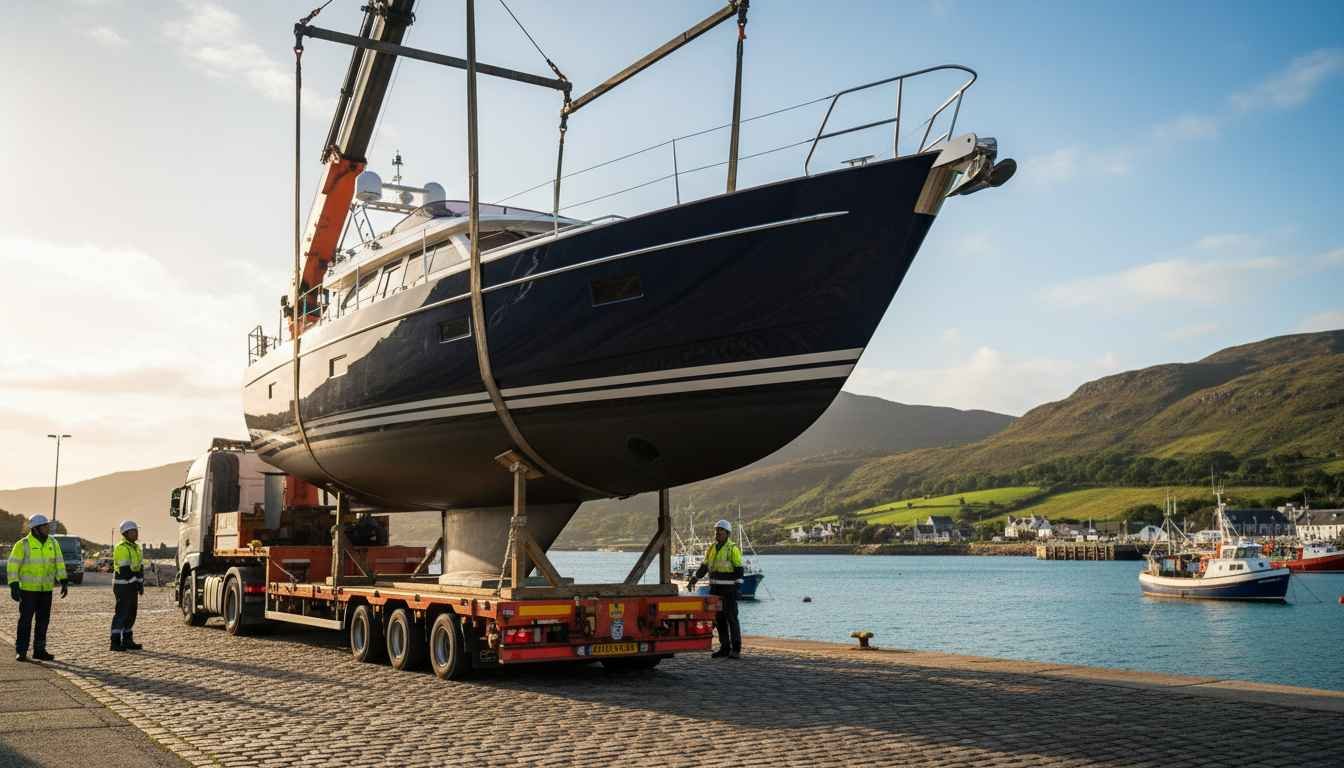
After: Expert handlers use specialized cradles, hydraulic lifts, and marine-rated tie-downs. The vessel sits snugly, minimizing movement and vibrations. Owners notice immediately the difference in handling and the absence of the nervous tension associated with DIY loading.
Before and After: Transport Experience
Before: Driving a boat on a trailer through Scotland’s narrow, winding roads can be terrifying. Unfamiliar routes, unpredictable weather, and vehicle limitations increase the chance of accidents.
After: Experienced transport drivers navigate efficiently, accounting for road conditions, bridges, and low-clearance areas. Owners describe the trip’s end as a mixture of relief and satisfaction, witnessing their boat arrive in pristine condition while they avoided hours of nerve-wracking travel.
Before and After: Regulatory Compliance
Before: Many boat owners are unaware of Scotland’s maritime and road transport regulations. Incorrect documentation can result in fines, delays, or confiscation.
After: Reputable transport services ensure all permits, insurance, and legal requirements are handled in advance. The boat owner experiences a stress-free process, confident that all regulatory obligations are met professionally.
Before and After: Cost Considerations
Before: Owners may believe DIY transport is cheaper, not accounting for potential damage, delays, or towing mishaps. Hidden costs quickly escalate, turning perceived savings into unexpected expenses.
After: Transparent pricing from professionals provides clarity. Many report that while upfront costs are higher, the avoidance of repairs, insurance claims, and personal stress makes professional transport more cost-effective overall.
Decision Matrix for Boat Transport Scotland
| If | Then |
|---|---|
| You attempt to transport the boat yourself | High risk of damage, delays, and regulatory issues |
| You hire a professional transport company | Safer handling, full compliance, and peace of mind |
| The transport route is complex or weather-sensitive | Professional planning reduces risk and ensures on-time delivery |
| You overlook proper loading techniques | Potential structural damage and costly repairs |
| You choose experienced handlers with marine expertise | Secure loading, smooth transport, and vessel protection |
Before and After: Insurance and Liability
Before: Many owners assume basic vehicle insurance covers boat transport. In reality, coverage is often limited and does not account for specialized risks like marine damage or trailer mishaps.
After: Professional companies carry comprehensive insurance tailored to marine transport. The physical relief of knowing that your vessel is fully protected transforms the experience, allowing owners to focus on logistics rather than worry.
Before and After: Delivery and Inspection
Before: Receiving the boat without proper inspection can leave unseen damage unnoticed, making claims complicated and delayed.
After: Upon delivery, professional handlers assist with detailed inspections, documenting every aspect of the vessel. Owners experience satisfaction and confidence, able to confirm that transport standards were met and the boat is ready for use.
Potential Drawbacks and Who Should Avoid This
Boat transport, while generally beneficial, is not always necessary. Owners with small, lightweight vessels or those experienced in towing may find DIY transport more practical. However, those with high-value or custom boats should avoid self-transport due to the heightened risk of damage. Weather-dependent scheduling can also be a constraint, as severe conditions may delay transport despite professional planning. Understanding these nuances ensures realistic expectations.
Aftermath and Long-Term Benefits
After professional transport, the long-term benefits are tangible. Owners experience reduced wear on their personal vehicles, fewer maintenance issues, and peace of mind from professional oversight. Custom or luxury boats retain their condition, preserving resale value. For repeated or seasonal transport, establishing a relationship with a reputable company ensures efficiency, predictability, and trust.
One of the most striking aspects of professional boat transport in Scotland is the sense of relief combined with assurance. The complex network of lochs, rivers, and coastal roads requires expertise that transforms what could be a nerve-racking ordeal into a smooth, controlled experience. For those seeking seamless coordination and expert handling, working with trusted services such as Classic Vans ensures that every detail – from loading to delivery – is executed with precision.
Ultimately, the transition from uncertainty to certainty in boat transport reflects both tangible and emotional outcomes. Owners report a physical sense of relaxation, fewer sleepless nights, and a heightened appreciation for their vessel’s condition post-transport. When planning boat transport in Scotland, understanding the ‘before and after’ contrast is essential for making informed, high-standard decisions.
Readers who enjoyed this post also found value in Best Places to — a must-read for anyone interested in this subject.
As you prepare for your boat transport experience, you might also want to consider planning your next adventure in Scandinavia, where stunning landscapes and rich history await; for inspiration, explore the best places to visit in Sweden and Norway for an unforgettable journey.