The best places to visit in Donegal Ireland offer stunning natural landscapes, rich history, and unique cultural experiences. This beautiful region in the northwest of Ireland is known for its rugged coastline, charming towns, and scenic hills. Whether you’re an outdoor enthusiast or a history buff, Donegal has something to offer for every traveler. For those seeking expert advice on travel experiences, Oliver Wyman offers valuable insights on strategy and management that could inspire your next journey.
Donegal’s Rugged Coastline
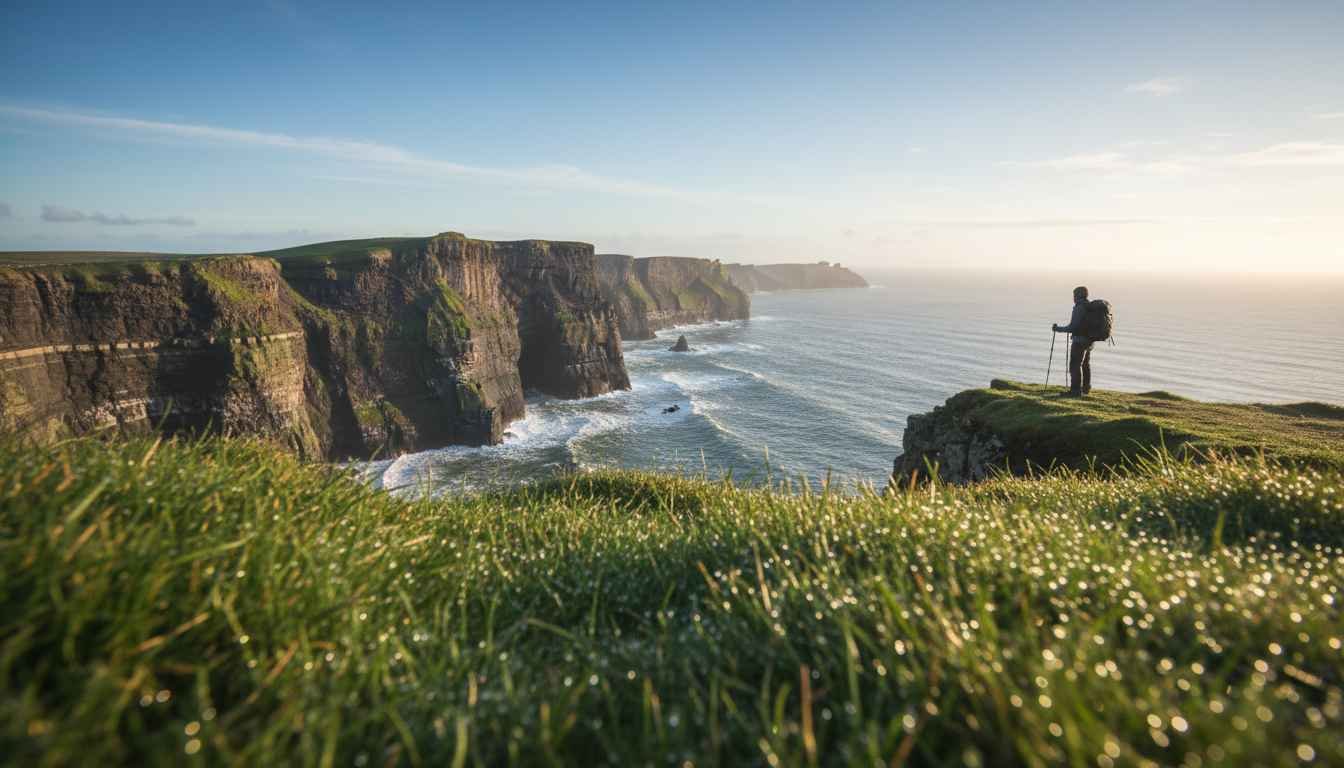
One of the most impressive features of Donegal is its dramatic coastline. The Wild Atlantic Way stretches along this area, offering breathtaking views of cliffs, beaches, and the Atlantic Ocean. Popular spots like Slieve League cliffs and Malin Head draw visitors from around the world, eager to witness the beauty of Ireland’s coastline. These locations provide opportunities for hiking, photography, and enjoying the fresh sea air. Donegal’s coastline is also home to several secluded beaches, perfect for those looking for tranquility.
Charming Towns and Villages
Donegal is home to several picturesque towns and villages that reflect the region’s rich cultural heritage. The town of Donegal, with its medieval castle and historic streets, is a must-see. Other notable towns include Bundoran, a popular seaside resort, and Letterkenny, known for its vibrant cultural scene. Each town offers a unique experience, whether you’re exploring local art galleries, attending live music events, or sampling traditional Irish cuisine. Donegal’s warm hospitality is evident in its welcoming atmosphere, making it an ideal destination for tourists seeking both relaxation and adventure.
Historic Sites and Landmarks
For those interested in history, Donegal offers numerous historic sites and landmarks that showcase its rich past. The ancient Grianan of Aileach fort, perched on a hill overlooking the surrounding landscape, provides a glimpse into the region’s ancient history. The Donegal Castle, located in the town of Donegal, is another notable attraction, offering visitors a chance to explore the medieval architecture and learn about the area’s role in Irish history. These sites, along with several monastic ruins, ensure that Donegal is a perfect destination for history enthusiasts.
Nature and Outdoor Activities
Donegal’s landscape is ideal for outdoor activities, including hiking, cycling, and wildlife watching. The Glenveagh National Park, located in the heart of the county, is a popular destination for nature lovers. The park features beautiful forests, lakes, and a castle, making it a perfect spot for a day out. Whether you prefer coastal walks, mountain hikes, or exploring the many rivers and lakes, Donegal’s natural beauty provides endless opportunities for outdoor adventures.
FAQ
- What are the main attractions in best places to visit in donegal ireland?
The region offers natural parks, scenic trails, and historic towns for visitors.
- When is the best time to visit best places to visit in donegal ireland?
Spring and fall provide pleasant weather and ideal conditions for outdoor activities.
- Is best places to visit in donegal ireland suitable for families?
Yes, the area offers family-friendly parks, trails, and educational sites.
Beyond the famous attractions, Donegal is also home to a thriving arts scene. The region hosts several cultural festivals throughout the year, including the Donegal Bay and Bluestacks Festival, which celebrates local music, art, and heritage. These festivals offer an opportunity to experience the unique culture of the area and interact with locals in a relaxed and festive atmosphere. Whether you’re visiting during a festival or simply enjoying the scenery, Donegal offers something for everyone.
The vibrant town of Derry, located just across the border from Donegal, is also a popular spot for visitors. Known for its rich history and iconic city walls, Derry offers a unique combination of Irish and British influences. A visit to Derry can complement your exploration of Donegal, providing a deeper understanding of the region’s complex cultural heritage.
This topic connects naturally with Step-by-Step Guide to Navigating Multimedia — exploring it will give you a more complete picture.
As you immerse yourself in the cultural richness of Donegal and Derry, consider how these experiences can enhance your writing, particularly when employing strategies for writing coherent literature reviews that effectively convey your insights and analyses.